









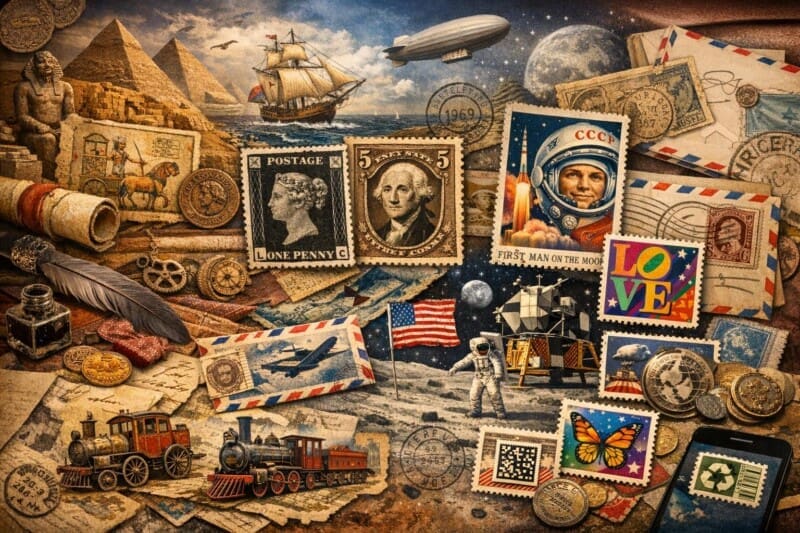
## Postage Stamps: Small Pieces, Big Stories
Stamps look tiny until you start handling them. Then the details leap out: a hairline engraving, a nicked perforation, a faint cancellation that hints at a town you’ve never heard of. Those little squares do more than pay for mail. They freeze moments, record controversies, and sometimes become icons of design or blunders worth fortunes.
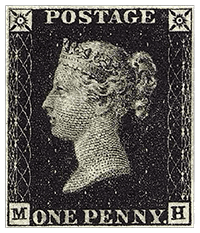
The story most collectors learn first begins in 1840 with the Penny Black. Britain decided to prepay postage and put Queen Victoria’s profile on a gummed label. That move rewired how we thought about the postal system. Before stamps, payment was messy. Postage could be collected from the recipient, calculated by distance, or marked by hand. The stamp simplified the transaction and turned postage into something collectible.
But adhesive stamps had cousins before and around the same time. Brazil’s Bull’s Eyes of 1843 and Mauritius’s famous “Post Office” issues of 1847 show how different administrations tackled similar challenges. Some countries experimented with tax labels and handstamps that look like stamps to modern eyes. The shift to standardized adhesive pieces was gradual, yet once it started it spread fast.
## Design And Production: From Intaglio To Inkjet
Stamps have always been a testbed for printing technology. In the 19th century, line engraving and intaglio produced deep, tactile prints that are a joy to inspect under magnification. Those methods left raised ink and crisp detail, which is why older stamps often still look alive. As mass mail expanded, postal services turned to lithography and typographic presses to keep costs down. Later photogravure and offset became standard for colorful, high-run issues.
Modern postal services use digital presses for on-demand issues and short series. That change altered the look and feel of stamps. Gone are the tiny raised ridges found on engraved stamps. In their place you get ultra-clean photographic images, sometimes with microprinting and tiny anti-counterfeiting features. Self-adhesive stamps changed everything about handling too. No more licking. No more softening and hinge marks in albums. They also pushed the design envelope toward die-cut shapes and unconventional material choices.
Security features evolved alongside printing. Watermarks, phosphor tagging, specialty perforations, and gum types are all part of the story. In recent decades some countries have experimented with scented inks, holograms, and even embedded threads to fight forgery and to add spectacle. These features make stamps a cross between art and technology.
### Techniques That Shaped Collecting
Collectors quickly learned to value the printing process. Plate numbers, sheet positions, and marginal imprint blocks became focal points for specialty collecting. Errors and varieties keep the market lively. Think of the Inverted Jenny from the United States, a single sheet of 100 with the airplane printed upside down that now lives in museum cases and auction catalogs. Or consider color shifts, missing overprints, and misperforations: tiny production quirks that turn ordinary issues into standout items.
Special techniques also created collectible subgenres. Embossed stamps, local carrier stamps with hand-cut designs, and lithographed pictorials from fledgling postal administrations each attract different tastes. The range is wide: some collectors chase plate blocks for their numbers, others prefer first day covers with crisp cancellations and cachets.
#### Perforations And Watermarks
Perforation gauge matters. Two stamps that look identical can vary by a perforation hole or two, and that difference can mean real money. Watermarks are stealthy markers too. A watermark can be only visible with a watermark tray and fluid, yet it transforms identification and value. Older catalogs list dozens of watermark patterns for single-issue families. Learn to spot them, and you see how production changed between print runs.
## Themes And Uses: Stamps As Cultural Snapshots
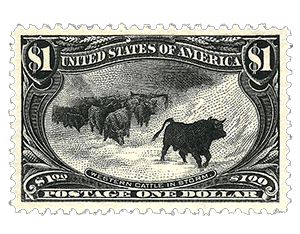
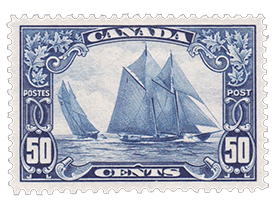
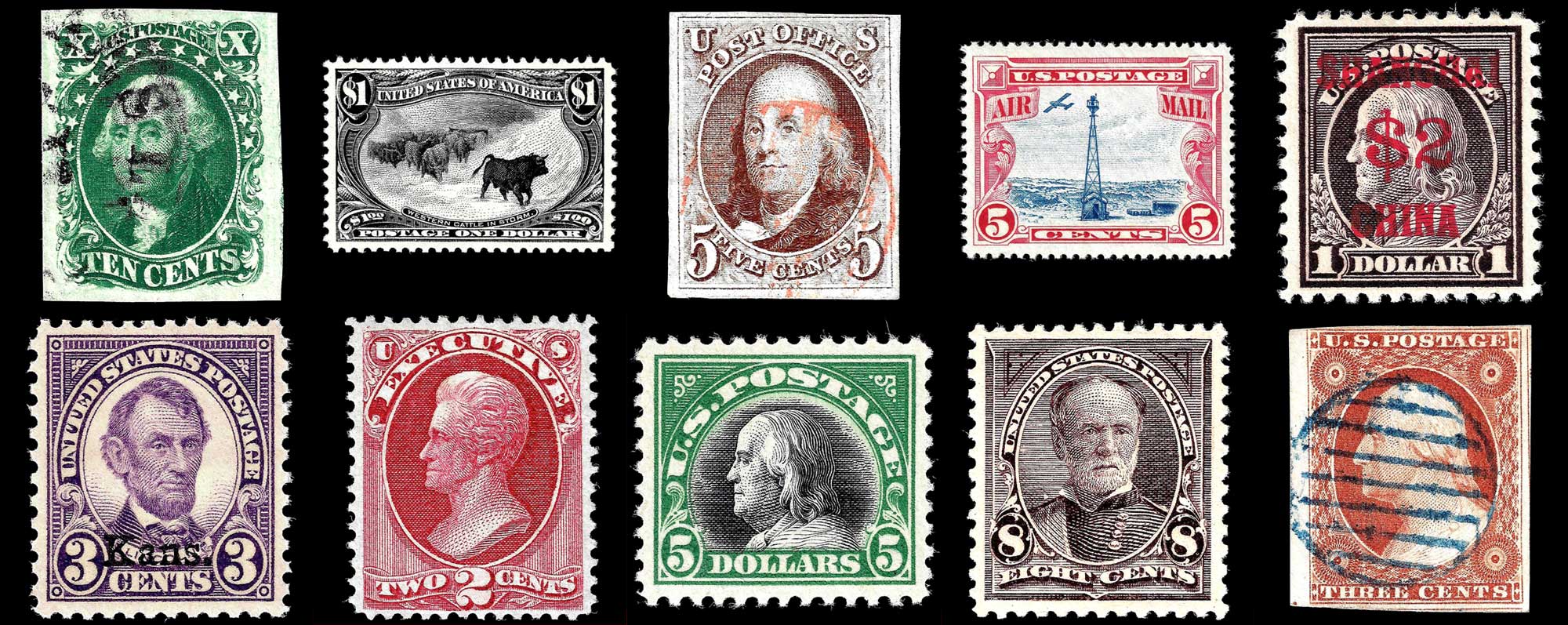
Stamps are tiny posters issued by states and administrations. They say what a country wanted the world to see. Monarchs and presidents once dominated common-usage stamps. Expensive definitive series favored portraits because they were easy to reproduce across values and printers. Commemoratives, however, let postal services celebrate events, heroes, and controversies.
Look at space-themed stamps across the Cold War era. Soviet and American postal issues both celebrated rockets and cosmonauts. The tone, imagery, and frequency of these releases offer a readable political timeline. Then there are oddities: a country issuing a stamp for a film premiere, or a tiny issuing authority producing dozens of brightly colored topical issues aimed at collectors rather than postal need. Those commercial strategies annoy some purists and fascinate others.
Topical collecting, specializing in birds, trains, or art for example, keeps new buyers coming. A stamp of a particular butterfly might be rarer than a high-denomination presidential portrait. The breadth of subject matter means collecting can be as narrow or as eclectic as you like.
### Commemoratives Vs Definitives
Commemoratives are usually short-run, attract designers, and are released to mark events. Definitives are workhorses: printed in large numbers to cover everyday postage. Definitives often have many printings and subtle varieties. Because they were used, condition becomes critical. Well-centered, mint definitives can be surprisingly valuable when they survive decades in pristine form.
Collectors choose strategies. Some chase complete series and plate blocks. Others focus on mint never-hinged singles. Some like postally used stamps with readable town cancels. Each approach reveals different things about postal history.
## The Collector’s Experience: How Stamps Changed The Hobby
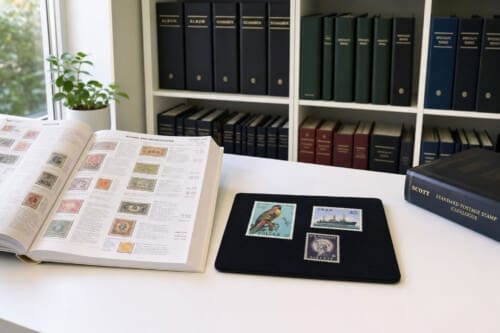
Stamp collecting has always been tactile. You pick up a stamp, flip it, check the gum, note the color under different light. Albums were the early narrative method for organizing collections. The great catalogs, Scott in the U.S. and Stanley Gibbons in the U.K., built frameworks that let collectors compare and price their holdings. Specialized handbooks emerged for regions, errors, and techniques.
The hobby itself has adapted. Clubs still meet in community halls, but now they also run active web forums and social media groups. Auctions move online, making rare material more visible and often pricier. Physical shows remain important because they let you inspect stamps in person and haggle face to face. Dealers still trade by mail, and that old ritual of receiving a small packet and opening it on the kitchen table is a pleasure many collectors miss.
Condition and provenance can change the value of an item by orders of magnitude. A marginal plate block with a full selvage inscription can be worth far more than a centered single. A stamp with a certificate from a reputable expertizing committee will sell more readily than a similar piece without it. Specialist services use ultraviolet lamps, microscopes, and color analysis to separate genuine rarities from clever forgeries.
### Grading And Authentication
The rise of high-value philately created a market for grading and authenticated certificates. The American Philatelic Society and independent expert committees examine items and issue opinions. A stamp’s color, perforation gauge, and paper type are checked against known references. Repaired tears, regummed backs, and thins are identified and reported. For serious collectors investing in classics, these services are not optional.
## Into The Digital Era: What Comes Next For Stamps
Postal authorities are experimenting again. Personalized stamps with your photograph printed on them are common now. Digital stamps with QR codes can embed tracking or link to a URL. A few countries have tried augmented reality features that, when scanned, animate the stamp on your phone. These innovations change what a stamp can do, but they also change what collectors value.
Blockchain and NFTs came onto the scene promising provenance. Some postal services issued tokenized versions of physical stamps, tying a digital certificate to an item. For now most of this is experimental, but the idea is clear: collectors and institutions want tamper-proof histories. Meanwhile, environmental concerns nudge postal services to use recycled paper and soy-based inks. That matters because material choices affect long-term preservation.
Stamps will keep being issued for mail, for publicity, and for revenue. Some countries will keep printing conservative definitive series, others will chase topical themes and tourist sales. Collectors will adapt. New technologies mean more ways to document and share collections, and also introduce fresh areas for specialization like digital philately.
A tactile joy remains. Nothing replaces the quiet pleasure of inspecting a crisp, original gum stamp under a loupe. It is an old habit that still feels relevant because those little squares connect to real dates, places, and stories. The hobby has changed, yet the core impulse is the same: notice the small things and the world opens up. Occured to you that a stamp can lead to a room full of history? It will.





Ask A Question Or Leave A Comment