

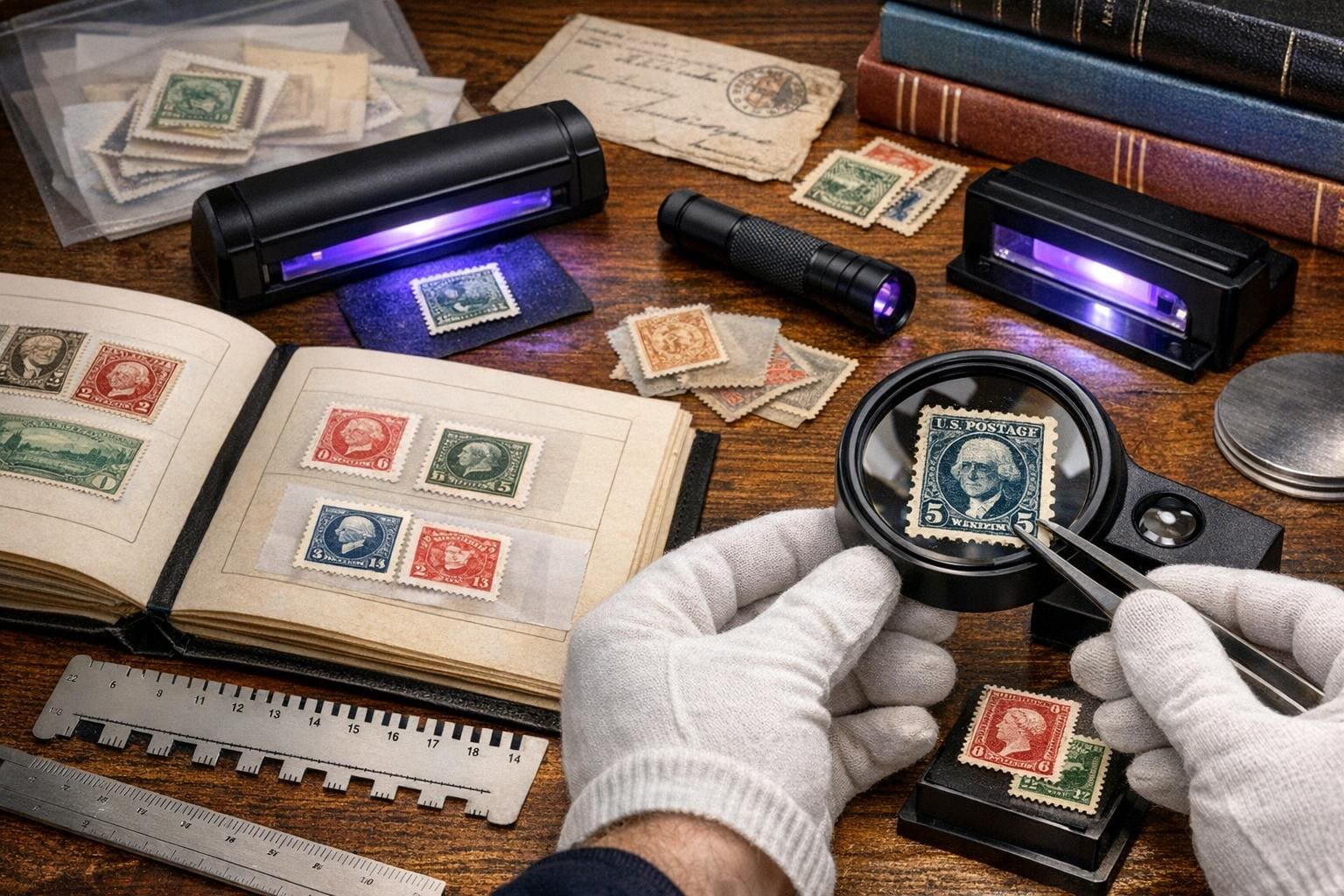
Start by treating stamps like small objects of evidence, not just pretty paper. A tiny tear, a hinge remnant, or a faint repaired corner can change a stamp’s story—and its value. That attention to detail is where most collectors improve quickly. You don’t need an advanced degree in philately. You need the right tools, a handful of tests you perform every time, and habits that protect the stamps you already own.
## Stamp Collecting Techniques That Build Value
If you want a strong collection, focus on condition, completeness, and documentation—in that order. Condition covers centering, perforations, gum, color, and whether a stamp has been altered or regummed. Completeness means having a coherent set: all denominations of a single issue, plate number blocks, or a run of year-dated issues. Documentation is provenance, purchase receipts, expert certificates, or even a dated photo of the item in your possession.
A practical approach: pick a target and work depth-first. Instead of buying random high-value singles, aim for a well-centered run of a single issue. For example, a series of 1930s definitive stamps all well-centered with original gum will often be worth more, as a group, than one flashy but poorly centered rarity. Depth looks deliberate to a future buyer and tells a better collecting story.
### Grading With Simple, Repeatable Checks
Use these checks every time you inspect a stamp:
– Hold it under a 10x loupe to inspect paper fibers, printing clarity, and any retouches.
– Measure perforations with a perforation gauge; even a half-tooth difference matters.
– Backlight the stamp to reveal thins, pinholes, or repairs.
– Tilt it gently under light to catch regumming or an artificial gloss.
Don’t guess. Note the stamp’s grade using terms you can verify later: Poor, Fine, Very Fine, Extremely Fine, Unused, Mint Never Hinged (MNH). If you plan to sell or trade, photograph the stamp against neutral light and include the loupe view.
## Handling And Preserving Stamps
Good handling habits prevent most problems. Finger oils, humidity swings, and sunlight are the silent killers of collections.
### Tools Worth Buying
You don’t need expensive gear, but these items repay their cost quickly:
– Quality stamp tongs (not your fingers).
– 10x loupe or a stereo microscope if you get serious.
– Perforation gauge.
– Glassine envelopes and clear archival mounts (Mylar or polyester).
– A UV lamp for checking phosphor bands and repairs.
– A blotter or drying book for soaked stamps.
Buy mounts sized slightly larger than the stamp to avoid edge-to-edge pressure. For very old or rare stamps, use archival stock pages and avoid PVC plastics that emit acids.
#### Soaking And Drying Correctly
When you remove stamps from an envelope, use lukewarm water—tap water is fine for most modern adhesives. Don’t use hot water unless you know the ink is stable. Lay stamps face up on a blotter paper to soak; change the water if it gets dirty. Transfer to a clean blotter and press gently under a heavy board until dry. If a stamp has soluble inks or wax seals, don’t soak—seek advice or consult an experienced dealer.
## Research And Authentication
A single certificate of authenticity can turn a lot of skepticism into confidence and significantly increase market value. For rare items, expertization is not optional.
### Use References Actively
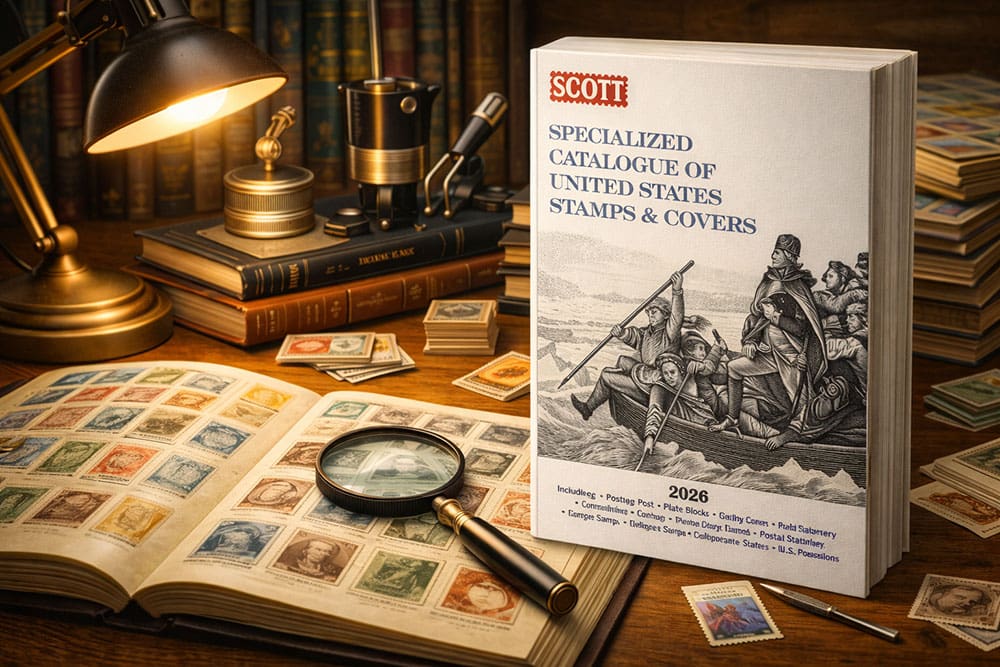
Catalogs are tools, not rules. Scott, Stanley Gibbons, and Michel give baseline values and descriptions, but real-world prices come from auction results and dealer sales. Search completed listings on large auction sites and specialized philatelic auction houses. Pay attention to realized prices, not the estimates.
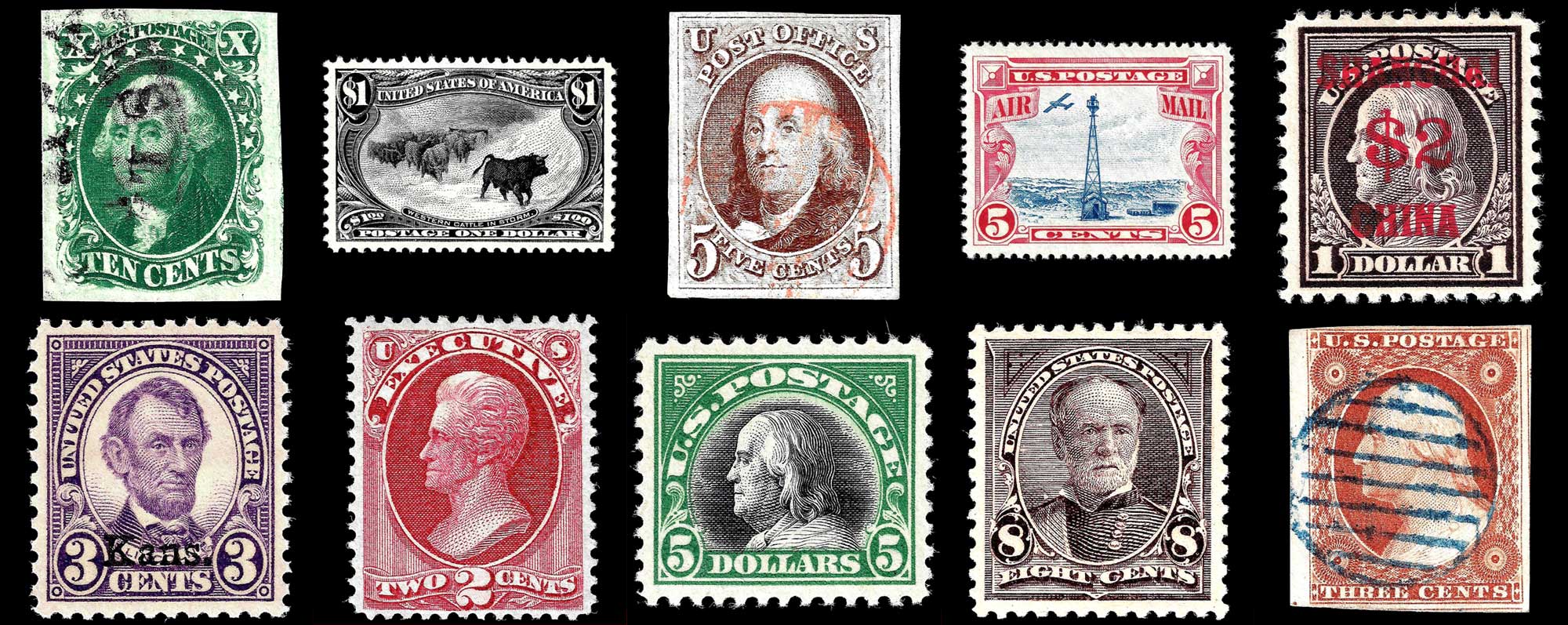
Compare your stamp to high-resolution reference images whenever possible. A classic way collectors get burned: accepting a “minor color variety” that is actually a reprint or forgery. Printing method clues matter. Intaglio prints have raised ink you can feel lightly with a fingernail; lithographs will not.
### Spotting Regumming And Repairs
Regumming is the most common subtle alteration. Look for a telltale glossy sheen that doesn’t match known originals, gum with visible brush marks, or gum that peels off in sheets rather than powdering. A small corner repair often shows under magnification: paper fibers that don’t align, a slightly different paper texture, or undercut by a thin seam.
If you suspect alteration, take photos under normal light and UV. Some repairs fluoresce differently than original paper. When in doubt, get a second opinion from an expert or a respected auction house.
## Building A Strategic Buying Habit
You’ll waste less money and build quality faster if you follow a buying checklist every time.
### A Practical Buying Checklist
– Ask for high-resolution photos or a live video inspection for expensive lots.
– Check seller feedback and dealer reputation.
– Read lot descriptions for wording like “repaired,” “hinge remnant,” or “lightly hinged.”
– Confirm return policies and shipping protections.
– Set a strict maximum bid for auctions, factoring in buyer’s premium and shipping.
Don’t chase every “rare” lot. Experienced buyers focus on items where their knowledge creates an advantage—local postal history, a specific country, or a time period they’ve studied.
## Specialization And Thematic Collections
Specialization is the fastest route from hobbyist to recognized collector. Pick a narrow topic and become the person others come to for that subject.
For example, collecting airmail covers from 1920–1940 with flight cachets will require different skills than assembling a world-wide topical collection of birds. The first needs routing knowledge, postmark types, and cover condition skills. The latter leans on visual appeal and identifying varieties within many countries. Both are valid; both benefit from focused research and careful acquisition choices.
A few collectors succeed by assembling postal history—complete covers with clear dates and routes. These often require patience and can’t be faked easily. Others create plate number blocks or center their collecting on plate flaws and varieties; these demand close attention to perforation, plate numbers, and printing anomalies.
## Networking, Clubs, And Marketplaces
You learn faster with other collectors. Local clubs offer hands-on sessions where members show how to spot a repaired stamp or how to mount items correctly. Auctions and online forums are good for market signals, but clubs and in-person dealers teach practical skills that photos can’t convey.
Trade smart. A well-traded stamp—documented with a receipt and a short note about condition—travels better in the market than a mysterious single bought from a low-feedback seller. Build relationships with one or two dealers you trust. They’ll tell you when a good example appears and sometimes allow trades that bypass fees.
## Tools For Cataloguing And Inventory Control
A digital inventory prevents duplicate purchases and helps with insurance claims. You don’t need expensive software to be organized. A spreadsheet with columns for country, issue date, catalogue number, condition, acquisition price, seller, and a photo will do the job.
If you prefer a dedicated tool, choose one with backup and export options. Tag items with keywords: “cover,” “plate block,” “MNH,” “expertized.” Keep scanned copies of receipts and certificates in a folder keyed to each entry. Once, a member I knew recovered a stolen block because he had dated photos and registration numbers—simple record-keeping paid off.
## Auction And Lot Evaluation Techniques
Always treat auction lot descriptions skeptically. Look for red flags: vague wording, photos that hide edges, or a single low-light image. For mixed lots, calculate the effective per-stamp price after shipping. Don’t overpay for convenience.
When bidding live, use a proxy or timed bid to avoid emotional overbidding. Remember buyer’s premiums—10–25% is common—and factor them into your maximum. Conservative bidding preserves capital for items that genuinely enhance your collection.
The thrill of winning can tempt you to pay more. Step back and ask: Will this add long-term value to my collection or is it just impulse? If the answer’s the latter, walk away.
A few small habits matter: store your stamps in stable humidity (45–55%), avoid fluorescent lighting, and rotate stockbooks rarely to minimize handling. Label everything carefully—mislabel a cover and you lose context. And don’t be afraid to ask for help from more experienced colletors; the best collectors I’ve met are generous with practical advice.



Ask A Question Or Leave A Comment