
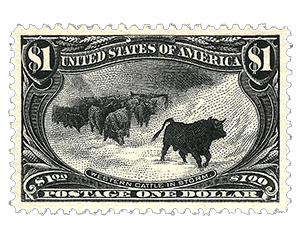
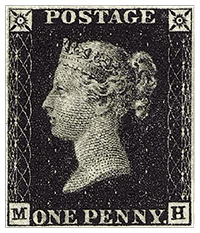

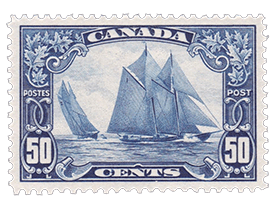






A thin is a spot where part of the paper of a stamp has been removed, usually because the stamp was pulled off an envelope the wrong way or was mishandled later. Finding thins is one of the basic skills of philately, and it is one I use every day.
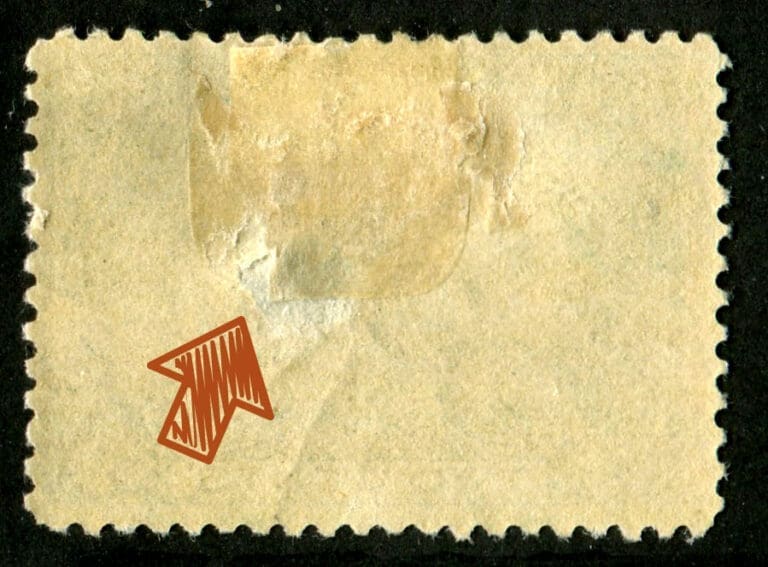
A thin can take a large part of the value of a stamp, so a collector has to be able to find one. The difficulty is that a thin can be very small and can be invisible to the naked eye, and for that reason a stamp is inspected for thins with the methods that follow.

Best Ways To Detect Stamp Thins
1. Visual Inspection
The first method is a strong light. The stamp is held up to the light and the paper is checked for any area that is not the same tone as the rest of the paper. A lighter area in the paper may be a thin, and the only other cause of a lighter area is a watermark. A magnifying glass or a stamp loupe shows the finer details of the paper that the eye alone does not see.
2. Feel the Surface
The second method is touch. A finger is run gently over the surface of the stamp, and a thin may feel smoother than the paper around it or may have a different texture. The thickness of different areas of the stamp can be compared in the same way, since the paper at a thin is thinner than the paper that surrounds the thin.
3. Watermark Detection Fluid

The third method is watermark fluid. Special fluids are applied to the back of the stamp and show a watermark or a thin spot for a short time, without damage to the stamp and without disturbing the original gum. A thin appears as a dark area while the stamp is in the fluid. Lighter fluid works in the same way as watermark fluid at a fraction of the cost, provided that the lighter fluid is a pocket lighter fluid such as Ronsonol and is not charcoal lighter fluid. The disadvantage of lighter fluid is a strong odor, whereas watermark fluid is usually odorless. Either fluid has to be used in a well ventilated area and in line with the safety instructions on the container.
4. Backlighting Technique

The fourth method is a strong light made for the inspection of stamps. We prefer Ott Lights because an Ott Light gives a color and clarity close to daylight, and Ott Lights are sold on stamp supply websites and on Amazon. A light of that kind shows a thin that does not appear under ordinary room lighting, and the thin appears as a brighter area of the stamp. A reference stamp with no defects is useful for comparison, because the reference stamp shows what the normal pattern of a backlit stamp looks like.
5. Handling and Storage
Careful handling prevents new thins. Stamps are handled with tongs and not with the fingers, and stamps are stored in a dry and cool place in stamp albums that are made for the purpose.
6. Consulting with Experts
A collector who is unsure about a stamp can ask an experienced collector or a professional philatelist, and a stamp collecting society gives its members access to resources and to expert knowledge.
Finding thins gets easier with practice. It takes a good eye, careful handling and a couple of inexpensive tools, and it tells you a lot about the condition and value of what you own. Keeping a stamp in its original state is what matters most in the hobby, so learn to spot thins and learn not to cause them.









Ask A Question Or Leave A Comment