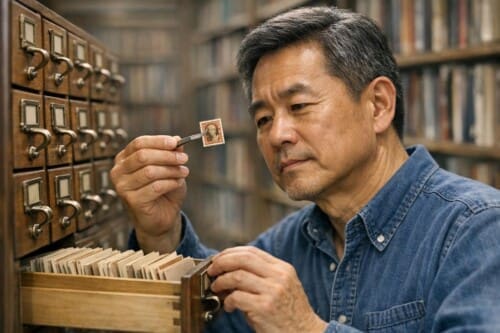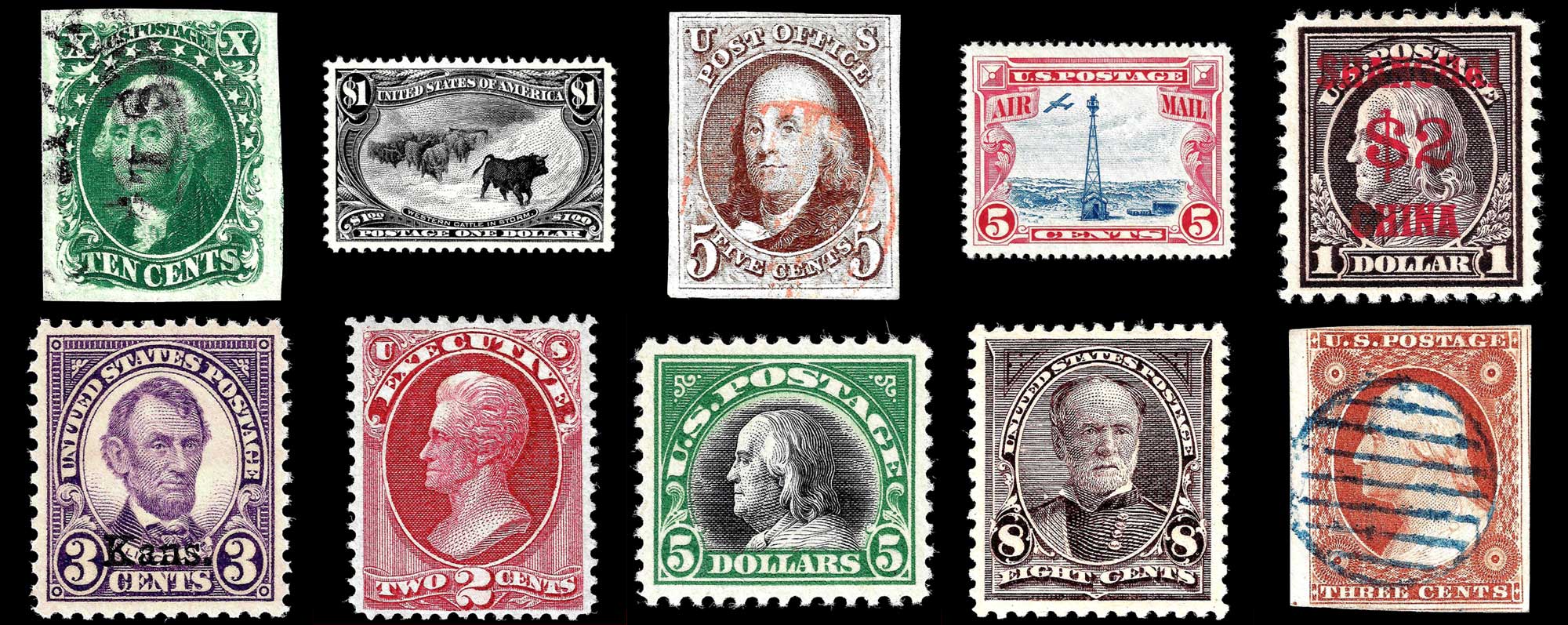

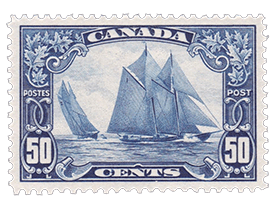



Expertizing is the standard procedure to certify stamps for resale, for insurance, for serious collections or just for peace of mind. A certificate from a recognized service will indicate whether the stamp is genuine, whether it has been repaired or altered, its grade, centering, gum and any faults.
This guide will explain what certification is, why it matters, how the certification process works, and how the four main certification services in the United States compare. PSE is covered first, followed by PF, APS and PSAG.
Top 4 Stamp Certification Services
These are the four services used by collectors and dealers in the US.
1. Professional Stamp Experts (PSE)
Professional Stamp Experts is used by collectors and dealers who want an opinion on authenticity and a structured evaluation of quality for the stamps of the United States and for many stamps of other countries. PSE is most well known for graded certificates that matter most to the top of the market where the premiums for centering and condition are so large.
What PSE Is Known For
PSE puts a strong emphasis on the stamps of the United States and gives clear opinions on authenticity and condition. PSE grades the stamps on which centering and condition drive the value, and the PSE certificate is a format that buyers recognize quickly online and at auction.
When PSE Makes the Most Sense
PSE is the natural choice for a stamp whose value depends heavily on centering and condition, for material that the market discusses by grade, and for a top quality example that needs a certificate to support a premium price.
What to Expect From a PSE Certificate
A PSE certificate records the identification and the authenticity of the stamp and notes any faults and alterations. The certificate carries a grade when a grade is requested and the stamp qualifies for one.
2. The Philatelic Foundation (PF)
The Philatelic Foundation is one of the best known expertizing bodies in the United States, most of all for classic and specialized material. Many collectors and auction buyers rely on a PF opinion for classic United States stamps, for rare stamps and for stamps that need careful analysis.
What PF Is Known For
The Philatelic Foundation is a leading authority on classic United States stamps and material of high value. Its opinions on stamps are detailed, respected by advanced collectors as well as the auction market, and focus on whether a stamp is genuine and whether it has been altered or repaired.
When PF Makes the Most Sense
The Philatelic Foundation suits classic United States stamps, rarities and difficult identifications, material that will be sold at auction or through specialist dealers, and stamps that are often faked or altered.
What to Expect From a PF Certificate
A PF certificate is focused on authentication and identification of repairs and/or alterations, and the description clearly states the item being described and what was found.
3. American Philatelic Society (APS)
APS Expertizing is a service of the American Philatelic Society used by stamp collectors for reliable opinions on United States and world wide stamps. This service is used by collectors for everyday certification of stamps and for outside opinions on stamps that a collector is considering upgrading.
What APS Is Known For
APS Expertizing is available to the first time stamp certifier, covers US stamps as well as the world’s other stamps, and is operated as a structured program within a large collector organization.
When APS Makes the Most Sense
APS is a good choice for collectors who want their stamps authenticated without worrying about grade premiums, need to check for faults or alterations from various countries, or want a recognized opinion for their collection or when selling.
What to Expect From an APS Certificate
An APS certificate identifies the stamp and gives an opinion on the genuineness and condition of the stamp, including any faults or alterations.
4. Professional Stamp Authentication & Grading (PSAG)
PSAG provides both authentication and grading, so that collectors and sellers get an opinion on authenticity and a formal grade. Standardized grading language will allow buyers to compare similar stamps in multiple listings.
What PSAG Is Known For
PSAG focuses on authentication and presenting the grade of the stamps. The certificates make it easier for a seller to list items with the same wording on many stamps.
When PSAG Makes the Most Sense
PSAG is suitable for sellers that use a strategy based on grades, for online sellers that need to describe the quality of their products in a standard way, and for sellers that need a certificate that can be read by a buyer in a short time.
What to Expect From a PSAG Certificate
The PSAG certificate details the authentication results in addition to the grading details where a grade is relevant so that a buyer can see both the legitimacy and quality of the item in question.

What It Means to Certify Stamps
When you certify a stamp, you send it to a professional expertizing organization. They look over the stamp and then provide a written report (certificate) detailing their findings.
The opinion covers authenticity, which is whether the stamp is genuine. It covers condition, which means faults such as thins, tears, creases and short perforations. It covers alterations, which include regumming, reperforation, added cancels, cleaned surfaces and repairs. It covers identification, which is the correct issue, shade, watermark, perforation, printing and variety. Some services also rate quality, which is the centering and the eye appeal.
Certification matters most when the value of a stamp changes sharply with authenticity or condition, and when the stamp is one that is often counterfeited, altered or misdescribed.
When You Should Certify Stamps
In many cases, stamps can move from being an ordinary collectible to serious money. Sometimes, a small difference in the stamp (such as different perforations, a different watermark, color, grill or gum) can make a huge difference in value. In these cases, a certificate is well worth the cost.
Stamps Commonly Altered or Counterfeited
Classic stamps from the United States and high value stamps from other countries around the world are frequently subject to repairs, regumming, reperforation, and the use of forged cancellations. For such stamps, the market will ask for a certificate.
Online Selling and Buyer Confidence
An online buyer cannot hold a stamp up to the light to inspect the perforations, nor examine the paper on which it is printed. A certificate from a recognized authority removes any uncertainty and can even increase the price realized for a stamp, which would otherwise have to be sold on trust.
“Looks Too Good” Situations
A stamp that looks unusually clean, is perfectly centered, or is surprisingly cheap for what it appears to be is a strong candidate for a certificate.
What Expertizing Does (and Doesn’t) Guarantee
The certificate confirms the authenticity of a stamp, details any faults or alterations to it, identifies the exact variety or issue, and gives the owner a documented opinion that the market recognizes.
What a Certificate Can’t Do
A certificate of authenticity cannot predict future price, solve the problem of determining eye appeal, replace the skill of judging a stamp, or make a damaged stamp better than it is.
Expertizing is most effective when you have a clear understanding of your submission and the rationale for it.
Step-by-Step: How the Stamp Certification Process Works
Step 1: Choose the Right Expertizing Service
The services differ in strengths, specialties and certificate formats, and the right choice depends on what is collected and on the kind of opinion that is needed.
Step 2: Prepare the Stamp Properly
The stamp is handled with tongs and is touched as little as possible. Mint stamps are kept protected and are not mounted on anything. Stamps on covers or on pieces of paper are left on the paper because removing the stamp could destroy evidence as well as value.
Step 3: Submit Using the Service’s Forms and Packaging Guidelines
The submission form for each service describes the stamp being submitted as well as the level of service requested. The stamp is carefully packaged to prevent movement during transit, preventing bending, scratching, gum disturbance and corner damage.
Step 4: Examination and Expert Review
The service examines authenticity and condition. According to the stamp, the examination may confirm the watermarks, the perforation measurement, the type of paper, the printing method and the cancel, and may look for signs of alteration.
Step 5: Receive the Results and Certificate
The result is one of three. The stamp is genuine as described, or the stamp is not genuine or has been altered, or the stamp is genuine with faults noted. Even a bad result has value, because it keeps a costly mistake from sitting in a collection or in a dealer stock.
Understanding Common Certification Outcomes
Genuine, As Described
The stamp is the issue that was claimed and has no problems beyond those stated on the certificate.
Genuine With Faults
The certificate for the genuine stamp lists the faults. These can have a huge effect on the value of a stamp. Recording the faults in a certificate makes it easier to sell the stamp at a later date.
Altered
Even a genuine stamp can have been altered in a way that changes its status or its value. Alterations include regumming, reperforation, repaired tears, added margins, cleaned cancels and pressed creases.
Not Genuine or Misidentified
This result covers outright counterfeits, stamps with forged cancels, wrong claims of perforation, watermark or shade, and stamps assembled from parts.
The Stamp Grading Scale, From Poor 10 To Gem 100
Certification and grading are two different services, and the difference decides what is worth paying for. Authentication answers whether a stamp is genuine. Grading rates how good an example it is, on a numeric scale that buyers and sellers quote directly in listings and auction descriptions.
The Philatelic Foundation publishes the scale as fourteen steps, each carrying a point value.
| Grade | Points |
|---|---|
| Superb Gem | 100 |
| Superb | 98 |
| XF-Superb | 95 |
| Extremely Fine (XF) | 90 |
| VF-XF | 85 |
| Very Fine (VF) | 80 |
| F-VF | 75 |
| Fine | 70 |
| VG-Fine | 60 |
| Very Good (VG) | 50 |
| Good-Very Good | 40 |
| Good | 30 |
| Fair | 20 |
| Poor | 10 |
What the numbers describe
Centering drives the preliminary grade, and PSE sets out the standard at each step. At 50 the perforations cut into the design. At 60 they touch the design or cut slightly into it. At 70 the margins just clear the design on one or more sides. At 75 they are reasonably clear on all sides. At 80 the stamp reads as very well centered. At 85 it is almost extremely well centered, at 90 extremely well centered, and at 95 not quite perfectly centered. A 98 carries perfectly balanced margins of normal size for the issue, and a 100 carries perfectly balanced margins.
How faults move the number, and why two services can disagree
There are major differences between the deduction rules of the Philatelic Foundation and PSE. PF assigns a preliminary grade of 50 to 98 for centering and then deducts up to 5 points for faults such as gum bends or minor creases. PSE, on the other hand, deducts 25 points for a minor defect and 50 points for a significant defect. PSE records soundness separately as Faultless, Very Minor Fault, Minor Fault, Fault or Major Fault.
A single stamp with one set of margins may appear in very different places on the scale depending upon the service used to examine the stamp and the findings of the examiner.
Large margins do not earn extra points
Neither organization awards points for very wide margins. They both append a qualifier to the number. For example, the Philatelic Foundation adds the qualifier after the number as in 95 Jumbo. PSE appends a J to the grade.
What a 98 or a 100 requires on a mint stamp
The top two steps on the scale are the rarest. For either grade an unused stamp must be Post Office Fresh, never hinged, with original gum, and with gum free of creases and wrinkles. A 98 looks perfectly centered until examined very closely for a slight shift, whereas a 100 must be mathematically perfect under similar close examination and must possess outstanding eye appeal.
When a numeric grade is worth the fee
A grade earns its cost where condition premiums are steep, meaning stamps whose catalog value climbs sharply between Fine and Extremely Fine. On common material the number rarely changes what a buyer will pay, and the money is better spent on an authenticity opinion alone. Recent sold prices for a specific catalog number can be checked on the stamp values tool before deciding which service level to request.
How to Choose Between PSE, PF, APS, and PSAG
Match the Service to the Stamp Type and the Market
The Philatelic Foundation is the common choice for classic United States stamps, rarities and difficult issues where the market expects expert authentication above all. PSE is a leading choice where United States expertise and a grade matter because the centering premium is large. APS is the common fit for broad coverage and a practical opinion across many collecting areas. PSAG fits a seller whose listings rely on a standard presentation of the grade.
Think About Your Goal
For personal confidence, the collector wants a recognized opinion that states authenticity and faults in clear terms. For resale, the question is what the buyers of that kind of stamp expect to see. For a premium price, a certificate with a grade matters most on the stamps with large condition premiums.
Tips to Save Money and Avoid Submission Mistakes
Pre-Screen Before You Submit
The basic equipment for identifying stamps as possible varieties consists of a watermark tray, perforation gauge, magnifier and good light. A stamp can be ruled out as being the possible variety at home for free.
Submit the Right Item Format
Don’t remove a stamp from a cover or from piece, because many issues of authenticity are determined by the whole item.
Be Realistic About Outcomes
A certificate is for certainty, not only for good news. Sometimes the best news is that a stamp is altered, repaired, or misidentified before it becomes an expensive problem.
Keep Certificates Organized
Keep each certificate with the appropriate stamp and list the certificate number and description in your inventory of items for sale. Buyers expect to receive the paperwork for the item they purchase immediately and missing paperwork can cost you the buyer’s confidence.
What Happens After You Certify Stamps
Once a stamp is certified, you have a documented expert opinion to guide how you store it, insure it, sell it or upgrade it.
The certificate defines what a collector owns. It adds value to the listings of sellers and reduces disputes. It gives buyers confidence that they are purchasing what they think they are.
If you are building a collection with real value or selling better material, expertizing is one of the clearest ways to protect your money and your reputation. The stamp market pays for certainty.