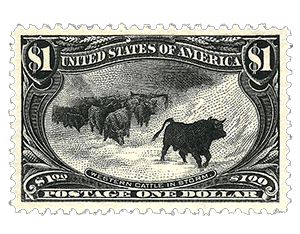
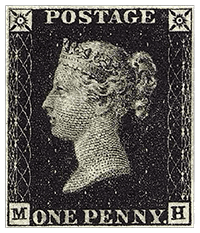
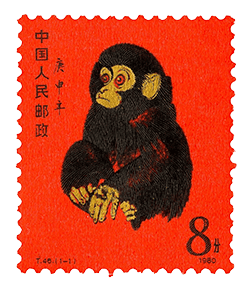
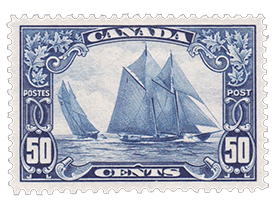







Stamp design has always sat at the edge of art and mass production. A stamp has to be small, legible at a glance, and still carry real meaning about a person, place, or event. Over the last few years, AI image tools have started showing up in that process, mostly as a way for designers to sketch out ideas quickly before committing to a final piece.
This page looks at how AI tools fit into stamp concept art today: what they’re actually useful for, where they fall short, and some AI-generated concept pieces you can look at below.
From Hand-Drawn Sketches to Digital Tools
Postage stamp design was, for most of its history, done by hand by engravers and illustrators working at a tiny scale, often less than a square inch, to represent everything from national landmarks to wildlife to historical figures. Digital design software changed how those images got built, and it made it much easier to test layouts, colors, and typography before a stamp went to print. AI image generation is the newest tool in that same toolbox, used mostly for early-stage concept work rather than finished designs.
Where AI Fits Into the Process
AI image generators can produce a wide range of visual concepts from a text description in seconds, which makes them useful for quickly exploring different directions before a designer commits time to a final piece. They can combine styles and references that would take a human illustrator much longer to sketch out by hand, and they let a designer see several options side by side instead of drawing one at a time.
What AI Concept Art Is Good For
- Fast iteration: generating several visual directions for a theme in the time it would take to sketch one by hand.
- Style exploration: mixing historical art styles or references that would otherwise take significant research and practice to combine.
- Early mockups: giving a rough sense of composition and color before a final design is committed to.
Where It Falls Short
AI-generated images are not the same as a finished, printable stamp design. They often get small details wrong, like text, symmetry, or accurate depictions of real objects and people, and they can’t guarantee a design is free of copyright issues since the tools are trained on existing artwork. Any postal service considering AI-assisted concepts would still need a human designer to refine, correct, and finalize the artwork, and to clear any rights questions before it could actually be printed.
Concept Art Examples
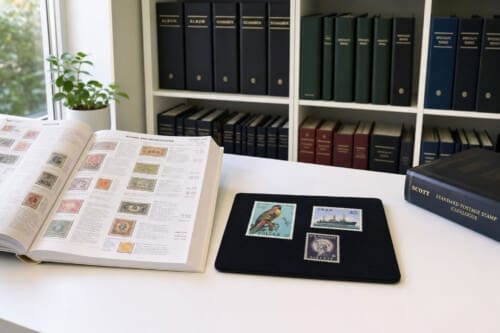
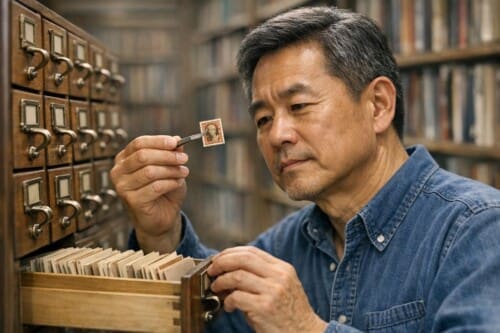
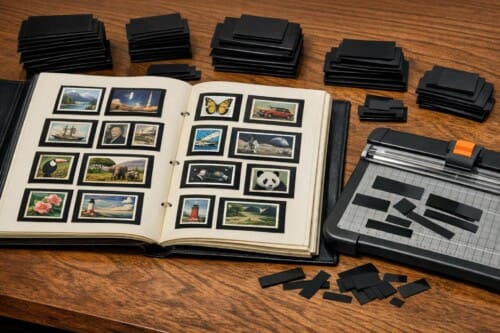
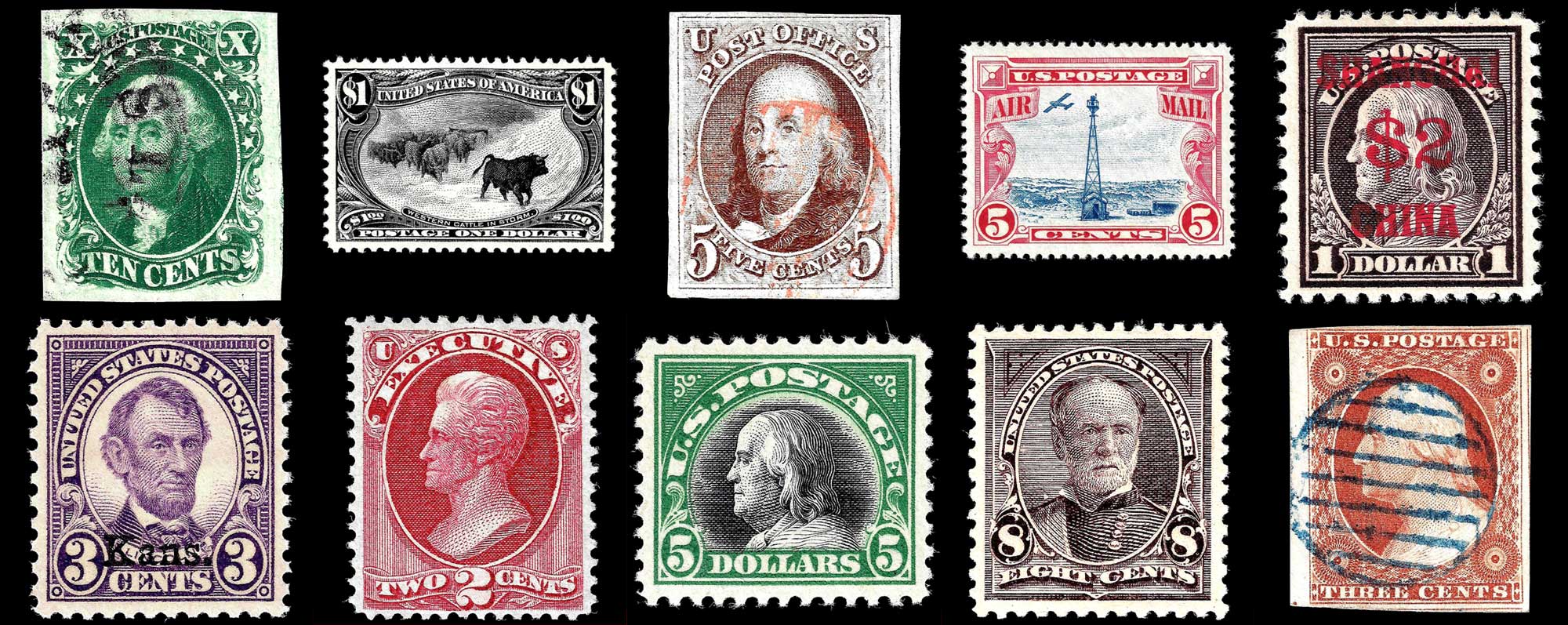
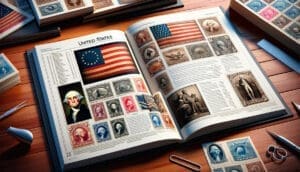
Below are some AI-generated concept pieces exploring what stamp designs on various themes might look like. These are exploratory images, not official or licensed stamp designs.
Note: This page is meant as a general look at how AI tools are being used for early-stage stamp concept art. It does not represent the views, plans, or policies of any postal service or design agency.
Unfortunately no posts were found