










Start by deciding what you’re collecting and why. A clear focus, whether that is country, era, theme, or production variety, reduces mistakes and keeps money from vanishing into scattered buys. Collecting broadly feels fun at first, but it makes pricing, grading, and reselling harder. Pick a lane.
## Stamp Buying And Selling Tips For Collectors
The market moves in small, quiet ways. A war-time issue can be hot one year and lukewarm the next. Learn the mechanics: how condition affects value, where supply is hiding, and which marketplaces favor buyers or sellers. Those three things guide smart choices.
### Nail The Condition First
Condition drives price more than catalog numbers. A tiny thin, folded perf, or regummed gum can wipe out a big chunk of value. Look at these specifics when buying or listing:
– Gum: Original, disturbed, or regummed? Be explicit.
– Centers and margins: Off-center stamps are usually worth less unless the variety is rare.
– Perforations: Missing or short perfs cut value.
– Tears, thins, creases: Even light creases are penalties.
If you’re dealing in high-value items, get a certificate from a reputable expertizing service before you commit. For mid-range lots, learn to spot obvious faults from photos and ask for close-ups before you pay.
### Where To Buy And Where To Sell
Markets vary more than prices. Some places are better for bargains; others for clean, high-end material.
Online Marketplaces
– eBay: Great for volume and discovering market prices via completed listings. Watch fees and be ready to ship worldwide.
– HipStamp and Delcampe: More philatelic focus, better for specialized items.
– Forums and Facebook groups: Good for direct trades or niche items; buyer risk varies more.
At Shows And Dealers
– Stamp shows: You can inspect material in person and negotiate. Bring a loupe and a price reference.
– Dealers: Reliable for certified, high-grade items. Expect a markup but less risk.
Auctions And Consignments
– Public auctions can surface rare finds. Research presale estimates and buyer premiums.
– Consigning to a trusted auction house can get better exposure for high-value pieces, but costs add up.
### Read Catalog Values Like A Map, Not A Law
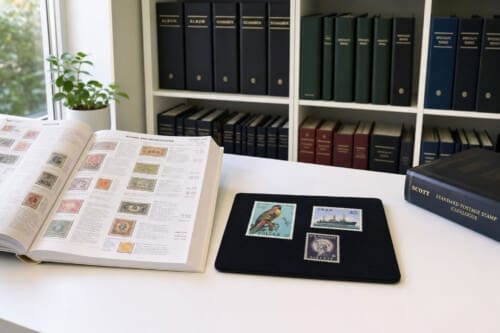
Catalogs (Scott, Michel, Stanley Gibbons) are guides. They show relative rarity and historical pricing, not the exact price you’ll get. Use recent sales data to adjust. If three similar stamps sold on eBay in the last six months for $40–$55, that’s your market, even if the catalog lists $100. Track completed auctions and keep a simple spreadsheet.
### Pricing Strategy For Sellers
Don’t set price purely by hope. Consider these angles:
– Buy-it-now vs. Auction: BIN appeals to impatient buyers but can leave money on the table. Auctions can drive prices up if you attract bidders.
– Reserves: Useful to protect against losses, but they can suppress bidding interest.
– Incremental pricing: If you aren’t in a hurry, list at a firm price and periodically lower it. Let time create demand.
For lower-value lots, think turnover. A quick small sale at a fair price often beats waiting months for a top dollar buyer.
#### Handling Fees And Shipping Costs
Know the cut everyone takes. Marketplace fees, auction buyer premiums, and PayPal or payment processing all eat margin. Charge realistic shipping, and offer tracked options. For international buyers, be explicit about customs and insurance. Many sales fall apart from unclear shipping terms.
### Photos, Listings, And Trust
A good listing closes half the objections. Take clear, well-lit photos on a neutral background. Include:
– Face and back views.
– Close-ups of faults or marks.
– A ruler or known object for scale when size isn’t standard.
Write honest descriptions. If there’s a fault, name it. If the gum looks suspect, say so. Buyers forgive transparent sellers more often than they forgive surprises.
### Negotiation Tactics That Work
Name a fair starting price and leave room. When a buyer offers low, counter with a firm value plus a small concession. For larger deals, offer a bundled discount, since people like saving money without haggling over every item. If someone asks for a deal and you don’t want to budge, explain why briefly: provenance, expertization, or condition.
### Timing And Demand
Certain times of year matter. People buy more around holidays and right after stamp show season. Auction cycles can be slow in summer. If you have collectible topical stamps (birds, trains, space), tie listings to related events, such as anniversaries, movies, or commemorative dates, to nudge interest.
### Protecting And Storing Your Collection
Bad storage kills value slowly. Humidity, sunlight, or PVC sleeves will ruin paper and gum. Use acid-free pages, archival mounts, and stable humidity (around 45–55%). Store albums upright and keep expensive items in a safe or lockbox. Avoid cheap binders that bend stamps or allow adhesives to touch the paper. If you’re sending items, package with rigidity and cushioning to avoid bending.
### When To Get Expert Help
If an item could be five figures, stop guessing. Send it to a trusted expert committee or reputable dealer for authentication. Certificates increase buyer confidence and will often net you a higher price than the certificate costs. For complex varieties, a dealer’s opinion can save you from paying for a reprint or a common forgery.
### Red Flags And Common Scams
Watch for these signs:
– Photos that are overly edited or cropped tightly so defects don’t show.
– Sellers who refuse to allow returns on high-value items.
– Listings that claim “rare” without catalog references or provenance.
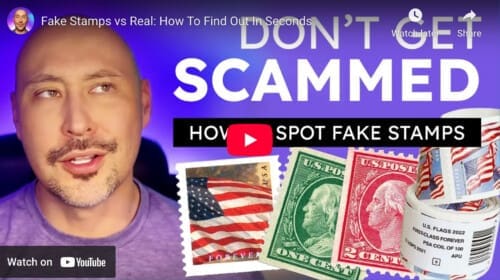
Trust your research. If a deal looks too good relative to similar sales, it probably is.
### Little Practices That Add Up
Small habits matter. Keep a list of active searches with alerts. Record purchase prices, dates, and sources. Re-photograph items before shipping. Keep business cards at shows. These tiny efficiencies save time and prevent lost money over a long collecting life.
A lot of success comes from doing the simple things consistently: inspect closely, document carefully, price sensibly, and sell where your buyers actually shop. Build those routines and you’ll see better trades and fewer surprises.




Ask A Question Or Leave A Comment