










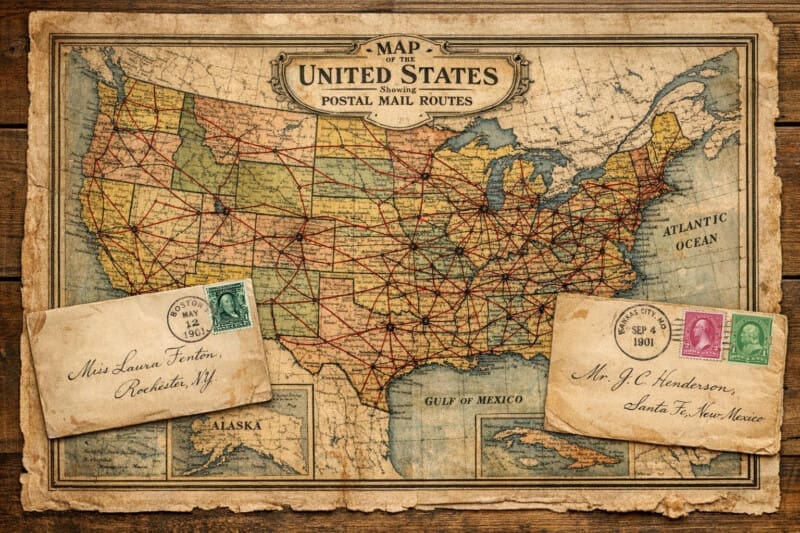
Postal routes are how mail moved, and stamps and covers are the breadcrumbs. Look at an 1870s cover and you can read a route map written in ink: town cancel, transit handstamp, a packetboat marking, then an arrival datestamp. Those markings tell you where a letter traveled, what services it used, and sometimes how long the trip took.
Collectors who focus on routes aren’t just chasing rarity. They’re tracing decisions made by postmasters, shipping companies, and sometimes armies. A “Via Brindisi” endorsement changes the whole story for a mid-19th-century Indian Ocean letter. So does a blue Liverpool transit on a transatlantic cover. That context often matters more than the stamp design itself.
## Reading A Cover: The Details That Reveal Routes
Postmarks are primary evidence. The front usually gives origin and sometimes routing. The back tells you where the letter passed through: ports of call, transit offices, and arrival towns. A London backstamp followed by a Trieste datestamp implies a European packet connection, whereas a Bordeaux transit might indicate a different packet line.
Date sequences matter. If postmarks are out of order, you may be looking at a redirected letter. If there’s a line of “PAID” or a boxed rate mark, you’ve got postal accounting showing which service paid for carriage.
### Routing Instructions And Labels
Senders and post offices sometimes wrote routing instructions on letters: “Via New York,” “Via Brindisi,” or “Per Steamer.” These aren’t decorative. They guided clerks and affected which ship or rail link the mail used. Adhesive labels or handstamps reading “Via Air Mail” or “Par Avion” appear later but carry the same function.
Paid auxiliary services leave their own traces: registration labels, express company handstamps, and circular cachets from private steamship lines. Combine these with postmarks and you’ll often be able to map a precise path.
### Transit And Arrival Marks
Transit marks are small, but they carry a lot of information. They show intermediaries: packet offices, railway sorting centres, and island waypoints. Arrival marks confirm delivery and can help date the travel time. Two transit marks within a week on a transatlantic cover tell a different story than the same marks months apart.
#### Censor And Military Markings
War and military mail complicate routes. Censor strips, triangular censor marks, and field post cancellations point to detours, and sometimes they are the only evidence a letter crossed a combat zone. Military routes also created makeshift chains of custody that collectors can trace by matching censor numbers and unit cancels.
## Case Studies: Routes You Can Trace In Historic Collections
### Maritime Packet Lines And Oceanic Routes
Look for packet line handstamps: Cunard, Black Ball, and others used unique marks. A typical mid-1800s British letter to New York might carry a “PAID” handstamp and a red Liverpool transit. Combine that with the ship name in manuscript and you can often identify the exact sailing. Steamship companies sometimes stamped covers with ship names or dates, and those are golden for route reconstruction.
A French “Paquebot” mark on a cover mailed at sea tells a different tale. Such covers were posted aboard ship and handed over to a port office, creating a distinct postal path compared to land-origin letters.
### Overland Expresses And Frontier Routes
Overland routes leave different signatures. Pony Express covers (brief window, 1860–1861) show crude cancels and often lack neat transit marks; the scarcity comes from the route’s speed and risk. Later overland expresses used railroad office cancels, stagecoach agents’ labels, and county markings. A Yosemite-area postmark from the 1890s, for instance, might indicate stagecoach carriage before the area had rail access.
### Early Airmail Corridors
Air mail introduced new markings: “First Flight” cachets, route endorsements, and special stamps. The 1918 U.S. airmail experiments produced covers with pilot signatures and route notes. In Europe, services between colonial capitals and metropoles used stopover airports’ cachets. This makes it relatively straightforward to map flights: airport cancels often list city and date clearly.
## How To Build A Route-Focused Collection
### Start Small And Local
Begin with local postmarks you can verify. Town postmarks, hospital cancels, or railway mailbox marks are cheaper and teach you to read cancels and account marks. You learn to spot inks, abbreviations, and postal jargon without paying big money.
Buy a few marked covers rather than lots of anonymous stamps. A single well-documented cover teaches more about routes than a dozen loose stamps.
### Research Tools And References
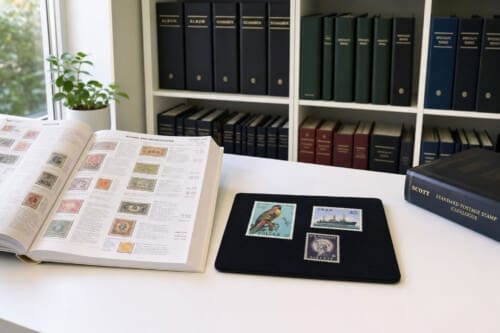
Use specialized catalogs and route handbooks. The British Postal History Society, Transatlantic Mail catalogs, and regional guides list handstamps and packet lines. Postal archives, both national and municipal, publish index cards or scanned registers that list sailings and rates.
Online databases are useful for quick checks. Searchable auction archives let you compare similar covers and track pricing. For deep dives, check shipping company logs or Lloyd’s List entries; they often note steamship sailings and mishaps that explain odd transit dates.
#### Online Databases And Archives
Start with digitized postal records and historical newspapers. Lloyd’s List, port arrival records, and contemporary steamship schedules give tangibles: departure dates, ports, and ship names. Many national archives have searchable collections of post office registers you can access free or for a small fee.
### Spotting Forgery And Misleading Marks
Watch for artificially added “rare” markings. Dealers sometimes enhance covers with applied cachets, or apply fresh-looking cancels to increase value. Observe ink fading, paper aging, and cancellation alignment. If a transit mark appears too crisp relative to surrounding ink, take a closer look.
Compare suspected items to verified examples from trusted auction houses or museum collections. Provenance matters. A documented chain of ownership that includes expertization increases trust.
### Storage And Documentation
Store covers flat in acid-free sleeves with minimal handling. Photograph both sides at high resolution right away. Record every marking and stamp in a simple log: date, origin, transit marks, route endorsements, ship names, and any oddities. Those notes make future research and sales easier.
Buying tip: prioritize condition and completeness. A clean cover with a full suite of transit marks is more informative and often more valuable than a pristine stamp removed from its postal context.
## Tools For Mapping Routes: Practical Techniques
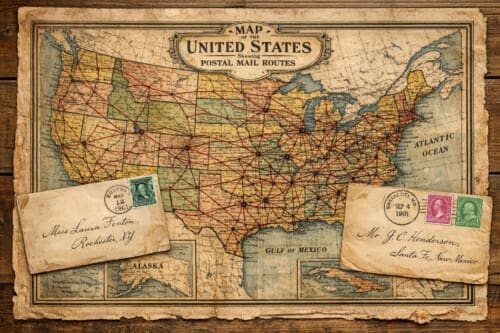
Use simple overlays. A printed map and transparent sheet let you trace stops and annotate dates. For complex routes, a timeline helps: list dates with corresponding marks to see the sequence. If multiple transit marks appear, number them in pencil on the reverse of a high-quality scan to keep track.
Group covers by route rather than by country if you want a thematic collection. For example, collect letters that went via Brindisi regardless of origin. You’ll spot patterns: frequent carriers, typical transit times, and recurring rate marks.
If you want to scale up, spreadsheet the metadata: origin, destination, dates, ship names, rates, and condition. That lets you filter for rare routes or compare transit times across years.
## Where To Find Interesting Material
Auctions and dealers are obvious. But local archives, estate sales, and old attics are where oddities surface. Postal clerks kept registers; families kept bundles of business correspondence. Contact local historical societies, since they sometimes have unprocessed lots that include covers.
Attend postal history fairs and chat with specialists. People who’ve handled similar routes will point you to resources and help spot fakes. Trade shows are also where you’ll find covers with the kinds of auxiliary marks catalogs ignore.
## Pricing And Rarity Factors For Route-Based Pieces
Value depends on story as much as condition. A common 19th-century stamp on a cover that crossed multiple countries with rare transit marks can outprice a mint example. Rarity comes from three things: scarcity of the route, uniqueness of the markings, and historical significance.
Military mail, disaster diversions, and inaugural flight covers often fetch premiums. But beware of hype. Prices fluctuate with collector interest; a popular route today may be overlooked tomorrow.
## Next Steps For Collectors Wanting To Dive Deeper
Pick a single route and follow it. Track one steamship line, one express route, or one transcontinental corridor. Document your finds, compare dates, and gradually build a reference file. Trade duplicates with other collectors. Join a postal history society and submit one cover for expertization when you find something that doesn’t fit known patterns; you’ll learn why experts ask the questions they do.
And remember: the physical object matters. Folded letters, stamps stuck in internal mail, and paper repairs all tell pieces of the tale. Keep looking and ask why each mark exists. You’ll learn the routes by following the ink.






Ask A Question Or Leave A Comment