






Coin collecting gets most of the attention, and I understand why. Coins are shiny, they are made of metal, and everybody has handled one. I collect stamps, though, and in the video above I make the case that stamps are the better hobby. This page lays the same comparison out point by point, including the one place where coins win.
The Basics of Coin Collecting and Stamp Collecting
Coin collecting and stamp collecting are the two classic collecting hobbies, and coin collecting and stamp collecting share most of the same habits: catalogs, grading, auctions, clubs and shows. The difference between the two hobbies lies in the object. A coin is a piece of metal struck by a mint, and a stamp is a piece of printed paper issued by a postal administration, and nearly every point in the comparison below follows from that difference.
Coin Collecting
Coins carry metal value. A coin struck in copper, nickel, silver or gold is worth at least the metal in the coin, and that floor under the price holds even when the collector market is weak. Many coin collectors treat coins as an investment for that reason, and the finest coins have sold at auction for millions of dollars.

Stamp Collecting
A stamp has no metal value, so the whole value of a stamp comes from collector demand. The best published study of what that demand has produced is a 2011 paper by Elroy Dimson and Christophe Spaenjers in the Journal of Financial Economics, which measured the prices of British stamps from 1900 to 2008 and found an annualized return of 7.0 percent in nominal terms and 2.9 percent after inflation. According to the same study, stamps returned more than bonds over the period and less than equities. The study follows higher value British stamps and not the common stamps that fill most albums, and a past return says nothing certain about a future return.
Comparing Aesthetics
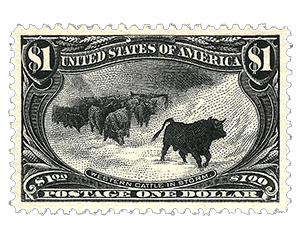
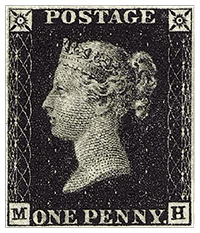
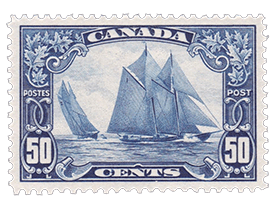
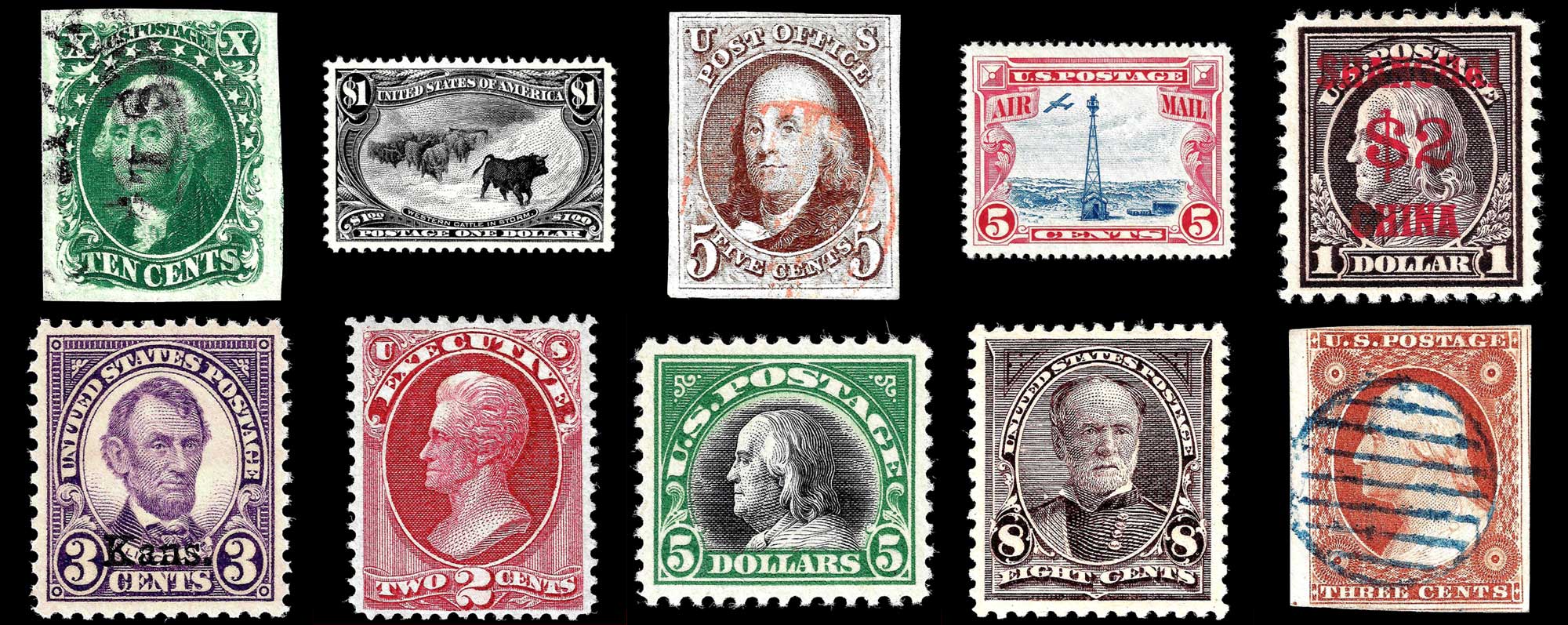
On appearance the comparison is one-sided. A coin comes in the color of the metal the coin is made from, which in practice means copper, silver or gold. A stamp can be printed in any color, and postal administrations have issued stamps with engraved designs, full color photography, holograms, fluorescent inks and even scented coatings. For a collector who enjoys looking at the collection, an album of stamps offers far more variety per page than a tray of coins.
The Diversity of Subjects
Coins mostly show heads of state, national symbols and monuments. Stamps show nearly everything else as well, including animals, music, scientists, film stars, sports, ships and space flight, because postal administrations issue new commemorative stamps every year on subjects chosen to interest the public.
History and Emotion
A stamp that is still on its envelope carries a record that no coin carries. The envelope shows who mailed the letter, where the letter was mailed, where the letter went and on what date, and some envelopes still hold the letter itself: a soldier writing home, a business order from a century ago, a family message. A coin passes from hand to hand without leaving any trace of where the coin has been, so the individual history of a coin is almost never known.
Topical Collecting
Coin collections are usually organized by country, by metal or by series. Stamp collections can be organized that way too, and stamp collections can also be built around a subject, which collectors call topical collecting: cats, ships, railways, space exploration or any other theme. Postal history adds another direction, since a collector can pursue mail carried by a particular route, such as mail carried by train or mail sent from Antarctica.
Storage & Transportation
Stamps weigh almost nothing and take up very little room, so a valuable stamp collection fits in a few albums on a shelf and can be mailed at low cost. Coins are heavy. A coin collection of similar size needs albums, boxes or a safe, and the cost of shipping coins rises with the weight of the coins.
Long-Term Consideration
Durability is the point that goes to coins. Metal survives for thousands of years, while paper is damaged by light, damp, heat and careless handling. A stamp collection therefore needs correct storage in a way that a coin collection does not, although stamps kept in proper albums away from light and humidity last for generations.
The Final Verdict: Stamps Win the Comparison
Coins take durability and metal value. Stamps take color, subject matter, personal history, topical collecting, storage and shipping. On my scorecard that is a clear win for stamps.
The Best of Both Worlds
None of this means you have to choose. Plenty of people are both a coin enthusiast and a stamp collector, and each hobby makes you better at the other. Happy collecting!






Ask A Question Or Leave A Comment