




There are better ways to find out if your stamps are valuable than looking things up on eBay. Here are the five things I look for first.
How Is It Organized?
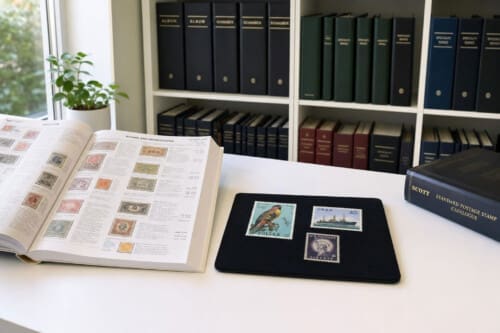
The most obvious sign is how the stamps are stored. If you have a bunch of loose stamps in envelopes or plastic bags then that is almost certainly what dealers refer to as a “shoebox collection” and such collections have little retail value. A collector who has paid a lot of money for a rare stamp will not put it in a shoebox or a Ziploc bag. Instead they will put the stamp in an album where it is protected and where it can be displayed alongside other stamps. They would not then put that same rare stamp in an envelope of common stamps.

Are There Certificates Of Authenticity?
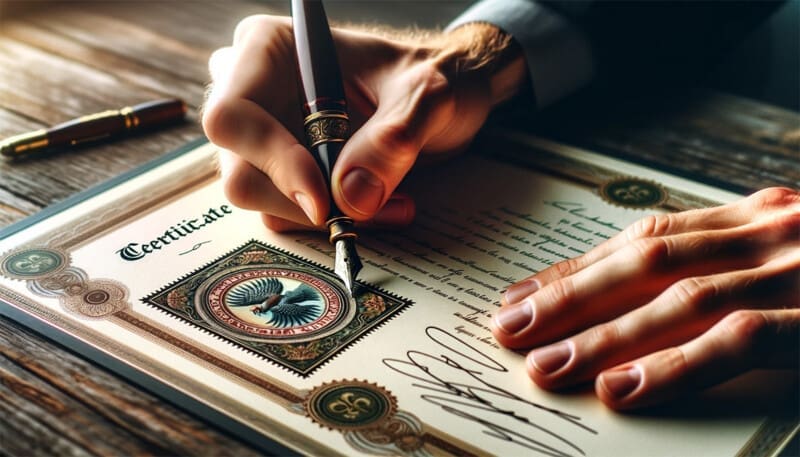
The second sign is a certificate. Certified stamps in a collection are a good sign of value, because the owner sent the stamps away for authentication and was willing to pay the fee for it.
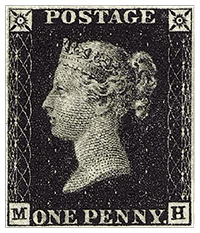
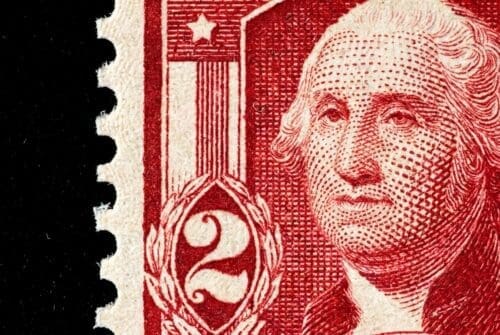
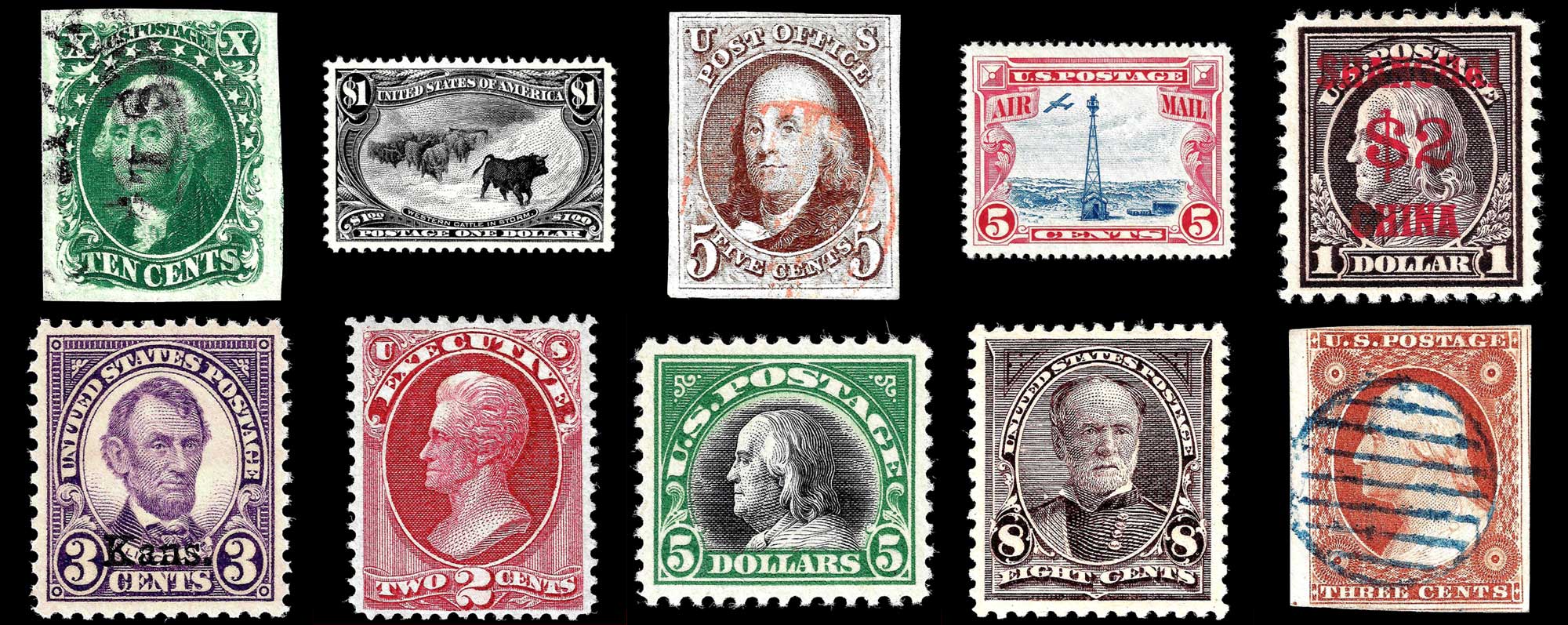
The third indicator is age. Many stamps from the 1800’s are very recognizable. These are engraved stamps and the artwork is similar to the artwork found on paper money. Many of the stamp designers also designed the currency of the time. This type of engraved stamp is close to 100 years old or older.
Are They High Postage Value Stamps?
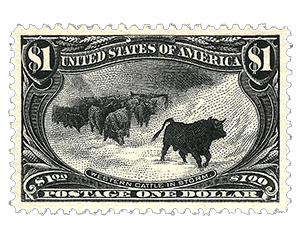
The fourth sign applies to stamps of the United States. It is a denomination of 1 dollar or more on a stamp from the 1800s. A dollar in the 1800s equals about 30 dollars today. There was little need for that much postage on one item. The high values were used mostly for shipping larger items overseas. The post office printed fewer of them. Fewer have survived. The smaller number of stamps available raises the rarity and value of each stamp.
The age of a stamp does not automatically assign value to a stamp. There are many stamps from the 1800s that are worth zero. A high denomination stamp from that period is what you need to look for.
Look For Receipts
The fifth sign to check for on a stamp is a receipt. Many stamp collectors keep receipts showing what they paid for stamps and many write the price on the stamp holder or in the album. The price paid for a stamp is not the same as the catalog value which many collectors write next to a stamp. Catalog value is for a stamp with very fine centering and in sound condition. Most stamps in a collection are older issues and will have faults or damage and centering is likely to be less than very fine. Therefore, a stamp with very fine centering and in sound condition is not what most collections contain.
Trust A Stamp Dealer
If your stamps do not check any of these boxes, that does not prove they have no value. Get the opinion of a stamp dealer or a serious collector. These five signs only tell you the odds, and whether it is worth more of your time or worth paying somebody to look.
If a dealer says the collection is of no value and does not make an offer to buy it, nor does he suggest that you send it in, then it is probably of no value. Dealers are in business to make money, and if they perceive that there is value in a collection then they will make every effort to buy it. If you wish to get a second opinion then that is your choice. After receiving two opinions that the collection is of no value then you can make the decision to keep it, learn more about it, or even to donate it.





Ask A Question Or Leave A Comment