




View Stamp Values
Online For FREE!
We built this page so you can look up a stamp by Scott number without buying anything first. Our Fair Market Values (FMV) come from actual sales and from the condition factors that decide what a stamp really trades for, including degree of faults, cancel strength, hinge strength and centering, so they often differ from the figure printed beside the same Scott number in the catalog.
We are not trying to replace the Scott Stamp Catalog. We supplement it with realistic market values, and with the plain explanation below of how Scott numbering works, what a printed catalog value actually represents, and how to take a stamp in hand all the way to a number.
What Is A Scott Stamp Catalog?
The Scott catalog is the standard reference used in the United States for identifying postage stamps and for assigning every recognized stamp a number. The first Scott catalog was a 21-page pamphlet published in September 1868 by John Walter Scott, a New York stamp dealer, and the Scott catalog has been revised and reissued ever since. Ownership has moved several times, through the Harmer family and Amos Press, and in late 2025 the Scott catalogs, Linn’s Stamp News and the associated brands were acquired from Amos Media Co. by Scott Stamp LLC, a collector-owned company whose partners are Jay Bigalke and David Fritz.
Each Scott listing performs three separate jobs for the one stamp described. The listing assigns a catalog number, the listing records the identification details that separate that stamp from stamps of similar appearance, and the listing carries a value for that stamp in a stated condition. The catalog number is the part that makes the rest of the hobby legible, because dealers, auction houses, album manufacturers and collection software all index United States material by Scott number.
How To Get A Scott Stamp Catalog
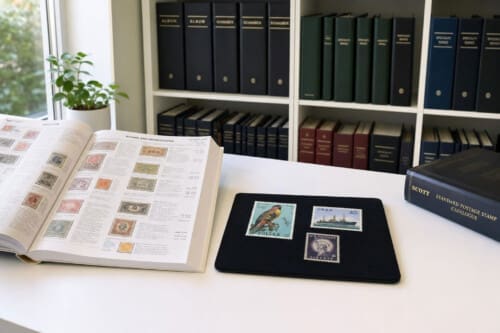
Print editions and digital subscriptions are sold by the publisher, Scott Stamp LLC, through the Scott catalog store. Printed volumes are also carried by philatelic supply retailers and by many public libraries.

Available Scott Stamp Values
What Is A Scott Number? Scott numbers are unique ID’s given to each stamp to help identify and value it. If you’re not sure of the Scott number, use the free Stamp Identification App to look up values.
* The Scott Numbers are the copyrighted property of Scott Stamp LLC, and are used here with permission. The marks Scott and Scott’s are Registered in the U.S. Patent and Trademark Office, and are trademarks of Scott Stamp LLC. No use may be made of these marks or of material in this exhibition, which is reprinted from a copyrighted publication of Scott Stamp LLC, without the express written permission of Scott Stamp LLC
Unique Scott Numbers
{{Total Scott Numbers}}
Total Stamp Values
{{Total Value Records}}
Identification Pages
{{Total ID}}
What A Scott Number Is, And What The Prefix Letters Mean
The Scott number of a stamp is merely its position within an ordered list of stamps. It is not printed on the stamp, is not a serial number and does not indicate the value of the stamp. Within a country, stamps of a postal category are listed in the order in which they were issued, so that low Scott numbers usually indicate early issues of a category rather than scarce or expensive stamps.
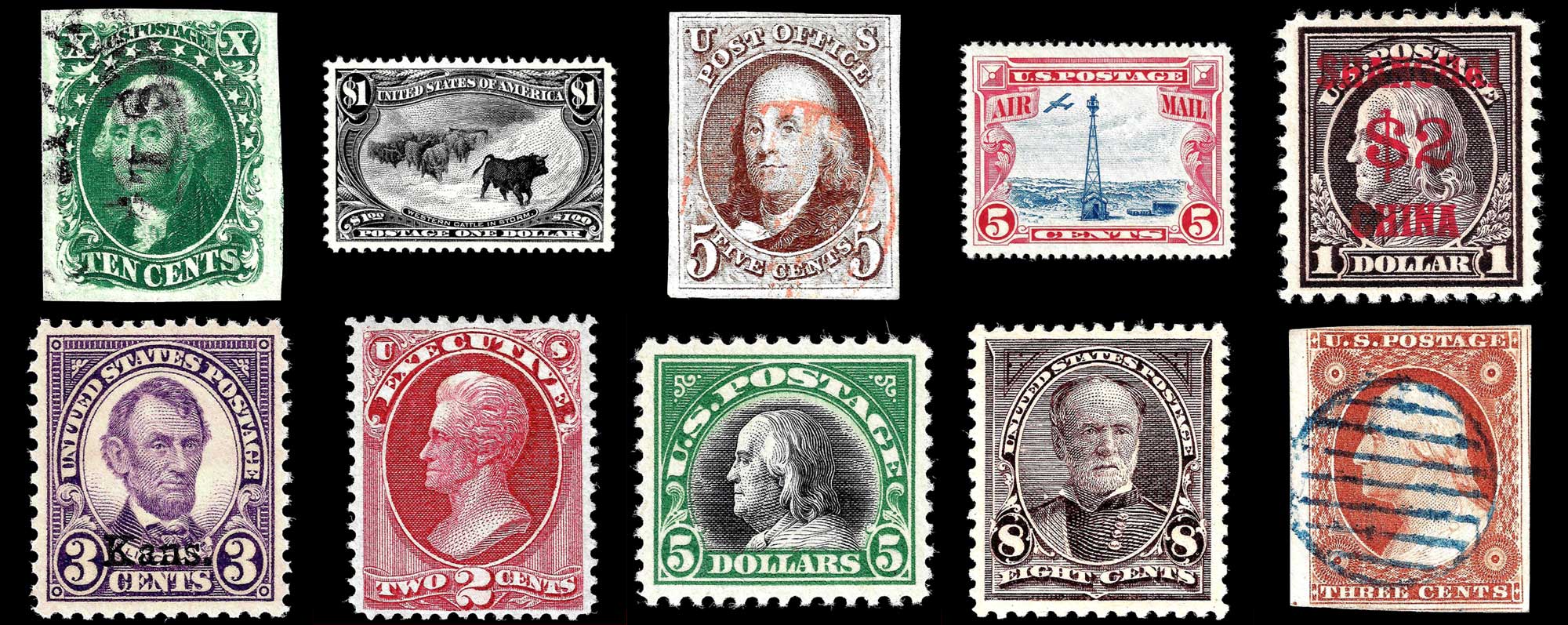
A complete Scott number can consist of up to four parts. First there is the optional capital prefix (or prefix letters) that indicates the postal category of the stamp. Ordinary postage has no prefix, which is why the United States run starts at Scott 1. Then there is the base number of the stamp. This is followed by an optional capital suffix, which appears when a new listing has to be inserted into a sequence of numbers that is already fixed. Finally, there are optional lowercase letters that indicate a minor variety of the stamp listed immediately above. Thus the inverted-center error of the third United States airmail stamp is listed as C3a, which consists of the prefix, the base number of the stamp, and the variety indicated by the lowercase letter.
The prefix letters are the fastest way for a new collector to improve as they provide the answer to a very common question: why does a stamp which clearly is a United States stamp not appear anywhere in the numbered postage sequence? Each of the following runs of stamps is in a separate lettered run: the duck stamps, the postage due stamps, the revenue stamps. Searching the plain numeric postage listing for any of these stamps will always fail.
| Prefix | Category Of Stamp |
|---|---|
| none | Regular postage |
| B | Semi-postal |
| C | Air post, commonly called airmail |
| CL | Semi-official air post of the pioneer flights, before the 1918 government air service |
| E | Special delivery |
| F | Registration |
| FA | Certified mail |
| J | Postage due |
| K | Offices in China |
| O | Official mail |
| Q | Parcel post |
| R | Revenue |
| RA | Postal tax |
| RW | Hunting permit, known to collectors as duck stamps |
| BK | Booklets |
| U | Stamped envelopes |
| UC | Air post envelopes and aerogrammes |
| UX | Postal cards |
In addition to the basic suffix letters, United States listings for specialized stamp items can include the following: E for an essay; P for a die or plate proof; S for a specimen; TC for a trial color proof; and H or V for a flat-plate imperforate coil. A collector will meet these suffixes in auction descriptions and dealer stock cards long before owning the material described. Being able to recognize a suffix such as these will help to prevent the common mistake of comparing the value of a proof with the value of the issued stamp.
Scott Stamp Catalog
Catalog Quick Jump
If you know the Scott number, you can jump to a particular series by clicking one of the ranges below.
| Scott Numbers | Year Of Issue | Description |
|---|---|---|
| 1-2 | 1847 | Imperforate, Thin Bluish Wove Paper, First Issue |
| 3-4 | 1875 | Reproductions Of 1847 Issue, Imperforate, Bluish Paper Without Gum |
| 5-17 | 1851 | Imperforate |
| 18-39 | 1857-61 | Perf 15½, Same Designs As 1851 Issues |
| 40-47 | 1875 | Perf 12, White Paper, Without Gum, Reprints Of 1857-60 Issue |
| 63-72 | 1861-62 | Perf 12 |
| 73-78 | 1861-66 | Perf 12 |
| 79-85E | 1867-68 | Perf 12, Various Grills, Same Designs As 1861-66 Issues |
| 86-91 | 1867-68 | Perf 12, E. Grill, Same Designs As 1861-66 Issues |
| 92-101 | 1867-68 | Perf 12, F. Grill, Same Designs As 1861-66 Issues |
| 102-111 | 1875 | Perf 12, Without Grill, Hard White Paper, White Crackly Gum, Re-Issue Of 1861-66 Issues |
| 112-122 | 1869 | Perf 12, G. Grill, Pictorial Issue |
| 123-132 | 1875 | Perf 12, Without Grill, Hard White Paper, White Crackly Gum, Re-Issue Of 1869 Issue |
| 133 | 1880-82 | Perf 12, Without Grill, Soft Porous Paper, Re-Issue Of 1869 Issue |
| 134-144 | 1870-71 | Perf 12, H. Grill, Large Bank Notes |
| 145-155 | 1870-71 | Perf 12, Large Bank Notes, No Grill |
| 156-166 | 1873 | Perf 12, Same Designs As 1870-71 Issues With Secret Marks |
| 178-179 | 1875 | Perf 12, Yellowish Wove Paper, Regular Issue |
| 182-191 | 1879 | Perf 12, Soft Porous Paper, Same Design As 1870-75 Issues |
| 205 | 1882 | Perf 12, Regular Issue |
| 206-209 | 1881-82 | Perf 12, Designs Of 1873 Re-Engraved |
| 210-211 | 1883 | Perf 12, Regular Issue |
| 212-214 | 1887 | Perf 12, Regular Issue |
| 215-218 | 1888 | Perf 12, Same Designs As 1870-83 Issues |
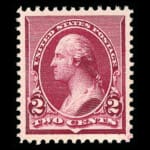
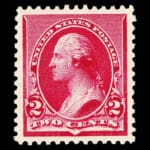
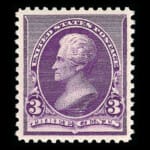
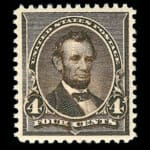
| 219-229 | 1890-93 | Perf 12, Small Bank Note Issue |
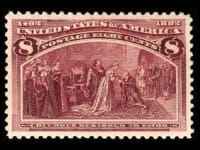
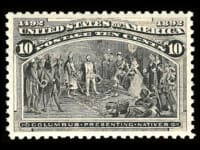
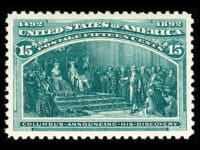
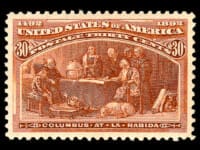
| 230-245 | 1893 | Perf 12, Columbian Exposition Issue |
| 246-263 | 1894 | Perf 12, Unwatermarked, Same Designs As 1890-93 Issues With Triangles In The Top Corners |
| 264-278 | 1895 | Perf 12, Watermark 191 Double Line USPS, Same Designs As 1894 Issues |
| 279-284 | 1897-1903 | Perf 12, Watermark 191 Double Line USPS, Same Designs As 1894 Issues In New Colors |
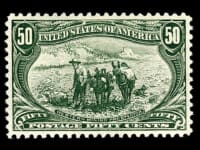
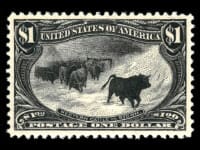
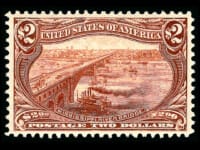
| 285-293 | 1897 | Perf 12, Trans-Mississippi Exposition Issue |
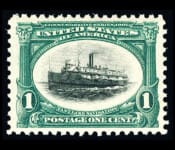
| 294-299 | 1901 | Perf 12, Watermark 191 Double Line USPS, Pan-American Exposition Issue |
| 300-313 | 1902-03 | Perf 12, Watermark 191 Double Line USPS, Regular Issue |
| 314-315 | 1906-08 | Imperforate, Watermark 191 Double Line USPS, Same Designs As 1902-03 Issue |
| 319-320A | 1903-08 | Perf 12 & Imperforate, Watermark 191 Double Line USPS |
| 323-327 | 1904 | Perf 12, Watermark 191 Double Line USPS, Louisiana Purchase Exposition Issue |
| 328-330 | 1907 | Perf 12, Watermark 191 Double Line USPS, Jamestown Exposition Issue |
| 331-342 | 1908-09 | Perf 12, Watermark 191 Double Line USPS, Regular Issue |
| 343-347 | 1908-09 | Imperforate, Watermark 191 Double Line USPS, Regular Issue |
| 348-356 | 1908-10 | Perf 12 Horizontally / Vertically, Watermark 191 Double Line USPS, Flat Plate Coil Issue |
| 357-366 | 1909 | Perf 12, Watermark 191 Double Line USPS, Bluish Paper |
| 367-373 | 1909 | Perf 12 / Imperforate, Watermark 191 Double Line USPS, Commemoratives |
| 374-382 | 1910-11 | Perf 12, Watermark 190 Single Line USPS, Regular Issue |
| 383-384 | 1910 | Imperforate, Watermark 190 Single Line USPS, Regular Issue |
| 385-389 | 1910 | Perf 12 Horizontally / Vertically, Watermark 190 Double Line USPS, Flat Plate Coil Issue |
| 390-396 | 1910 | Perf 8.5 Horizontally / Vertically, Watermark 190 Double Line USPS, Flat Plate Coil Issue |
| 397-400A | 1913 | Perf 12, Watermark 190 Single Line USPS, Pan-Pacific Exposition Issue |
| 401-404 | 1914-15 | Perf 10, Watermark 190 Single Line USPS, Pan-Pacific Exposition Issue |
| 405-407 | 1912-14 | Perf 12, Watermark 190 Single Line USPS, Regular Issue |
| 408-409 | 1912 | Imperforate, Watermark 190 Single Line USPS, Regular Issue |
| 410-413 | 1912 | Perf 8.5 Horizontally / Vertically, Watermark 190 Single Line USPS, Flat Plate Coil Issue |
| 414-423 | 1912-14 | Perf 12, Watermark 190 Single Line USPS, Regular Issue |
| 424-440 | 1913-15 | Perf 10, Watermark 190 Single Line USPS, Regular Issue |
| 441-447 | 1914 | Perf 10 Horizontally / Vertically, Watermark 190 Single Line USPS, Flat Plate Coil Issue |
| 448-458 | 1915 | Perf 10 Horizontally / Vertically, Watermark 190 Single Line USPS, Rotary Press Coil Issue |
1847 | Imperforate | Thin Bluish Wove Paper

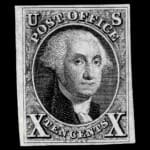
1875 | Imperforate | Bluish Paper Without Gum
Reproductions Of 1847 Issue


1851-1857 | Imperforate
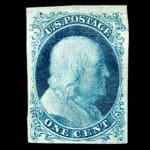
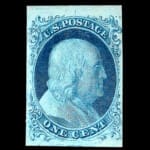
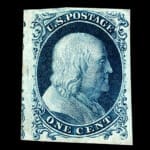
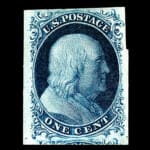
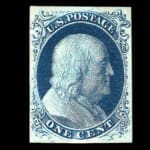
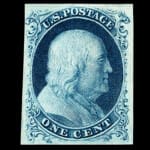
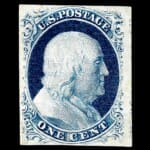
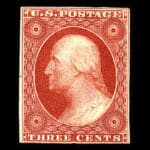

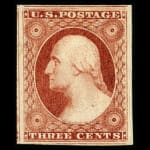
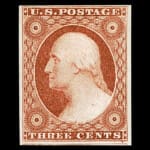
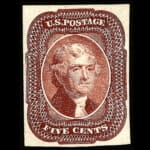
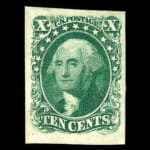
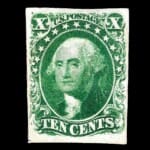
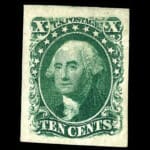
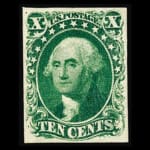
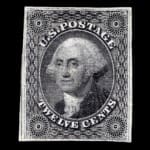
1857-1861 | Perf 15½
Same Designs As 1851 Issues
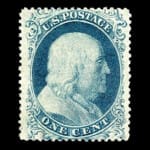
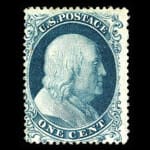
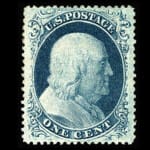
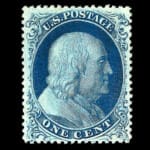
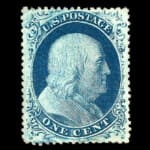
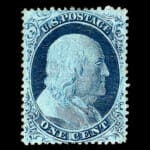
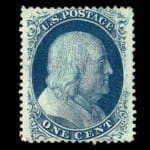
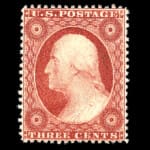
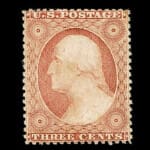
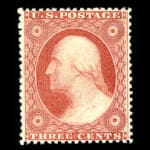
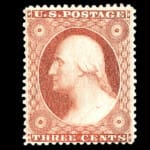

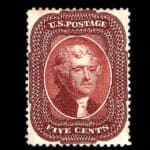
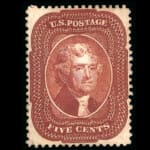
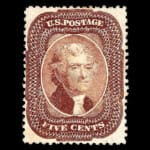
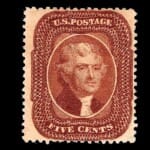
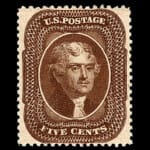
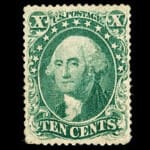
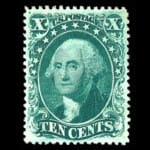
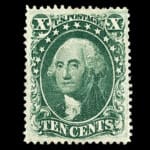
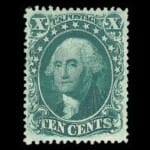
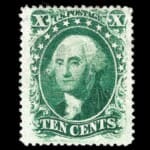
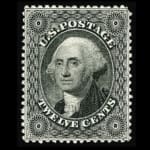

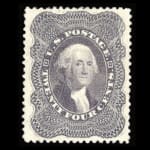
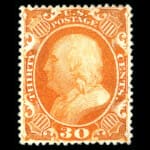
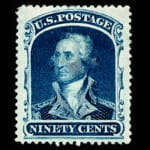
1875 | Perf 12 | White Paper | Without Gum
Same Designs As 1857-60 Issue
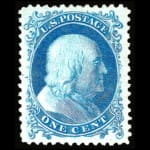
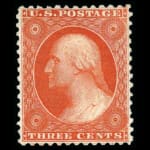
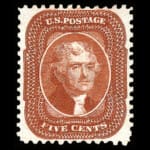
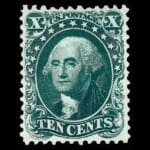
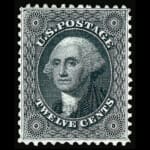
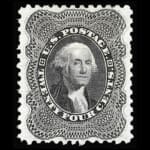
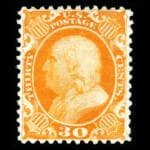
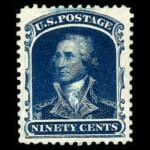
1861 | Perf 12
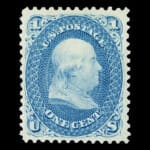
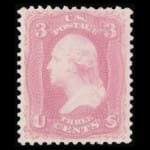
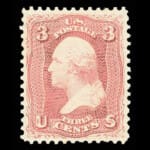
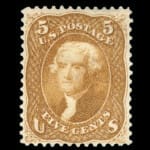
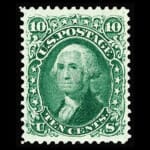
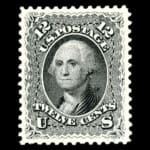
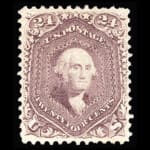
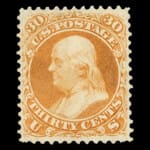
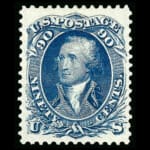
1861-1866 | Perf 12
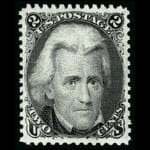
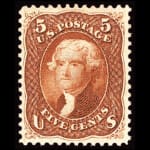
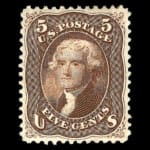
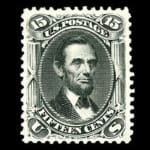
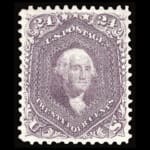
1867-68 | Perf 12 | Various Grills
Same Designs As 1861-66 Issues
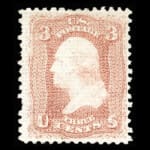
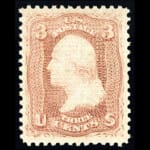
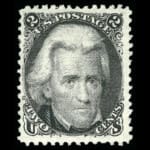
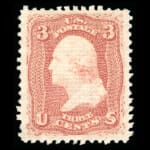
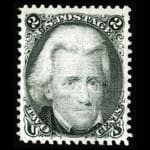
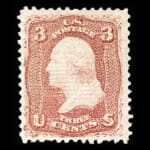
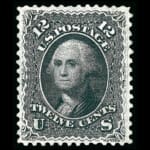
1867-68 | Perf 12 | E. Grill
Same Designs As 1861-66 Issues
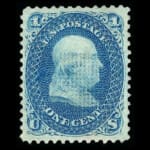
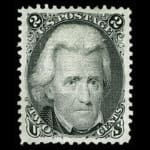
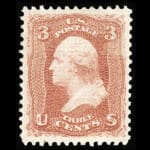
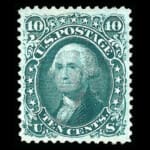
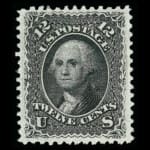
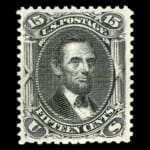
1867-68 | Perf 12 | F. Grill
Same Designs As 1861-66 Issues
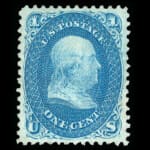
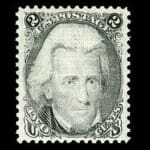
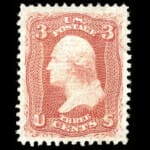
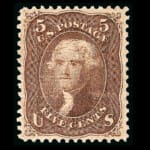
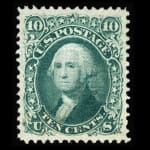
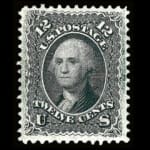
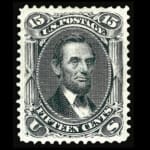
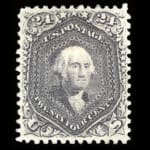
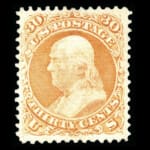
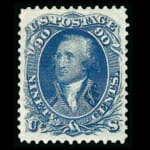
1875 | Perf 12 | Without Grill | Hard White Paper | White Crackly Gum
Re-Issue Of 1861-66 Issues
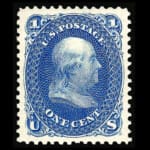
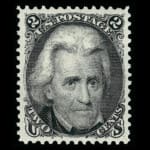

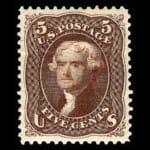
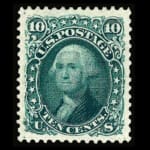

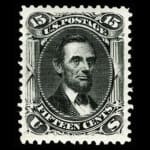
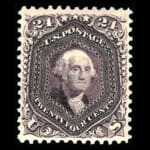
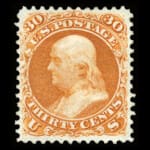
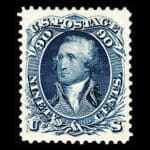
1869 | Perf 12 | G. Grill
Pictorial Issue
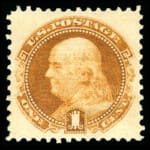
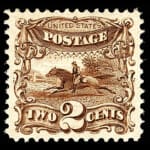
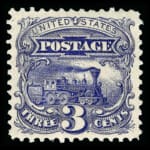
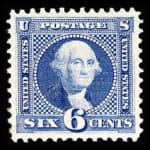
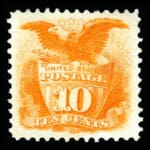
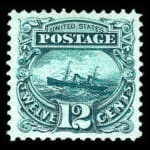

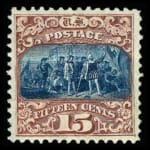
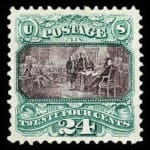
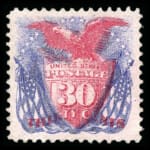
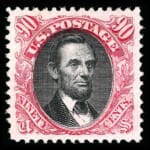
1875 | Perf 12 | Without Grill | Hard White Paper | White Crackly Gum
Re-Issue Of 1869 Issue
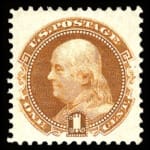
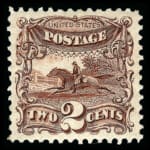
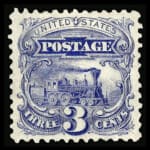

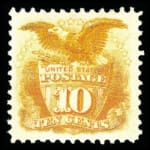
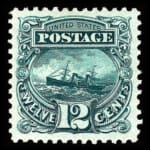
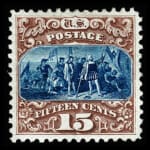
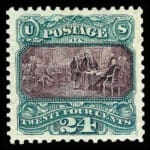
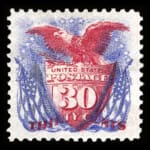
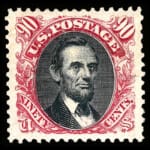
1875 | Perf 12 | Without Grill | Soft Porous Paper
Re-Issue Of 1869 Issue
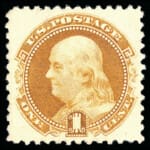
1870-71 | Perf 12 | H. Grill
Large Bank Notes
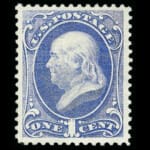
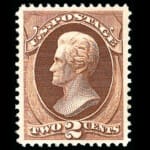

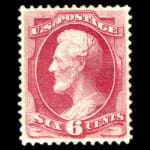
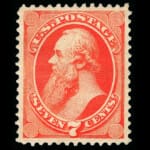
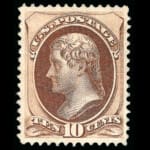
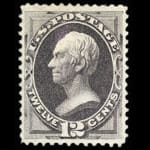
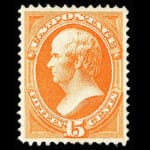
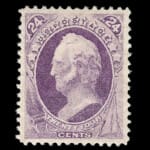
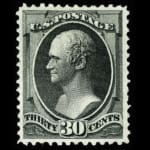
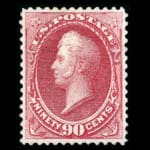
1870-71 | Perf 12
Large Bank Notes Without Grill
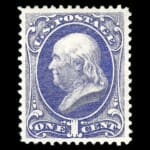
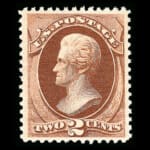
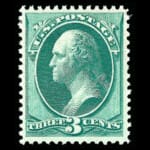
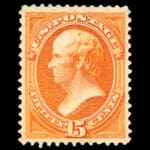
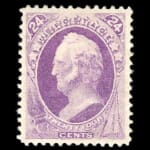
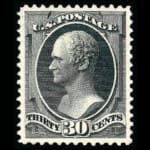
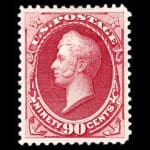
1873 | Perf 12
Same Designs As 1870-71 Issues With Secrets Marks
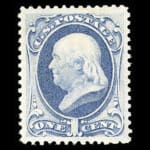
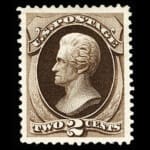
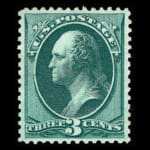
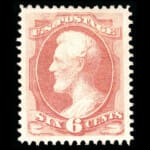
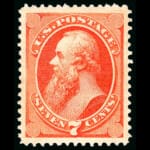
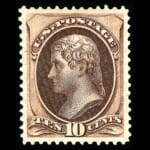
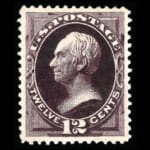
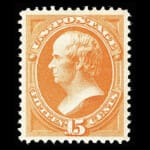
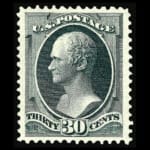
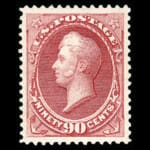
1875 | Perf 12 | Yellowish Wove Paper
Regular Issue
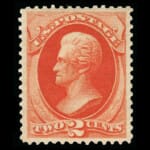
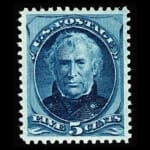
1879 | Perf 12 | Soft Porous Paper
Same Designs As 1870-75 Issues
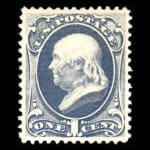
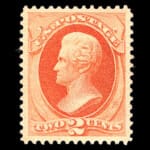
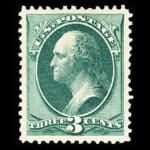
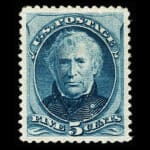
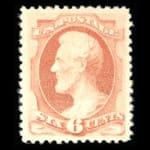
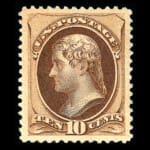
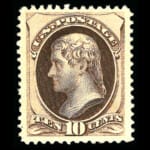
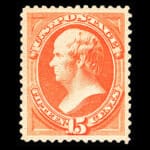
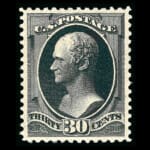
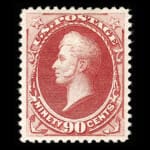
1882 | Perf 12
Regular Issue

1881-1882 | Perf 12
Designs Of 1873 Re-Engraved
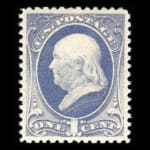
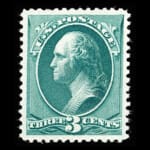
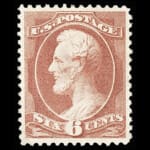
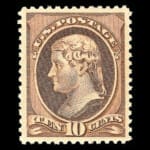
1883 | Perf 12
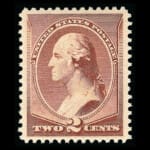
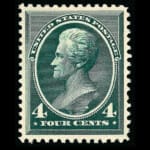
1887 | Perf 12
Regular Issue
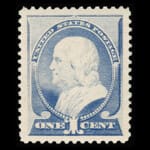
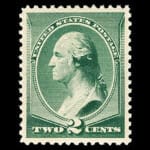
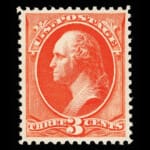
1888 | Perf 12
Same Designs As 1870-1883 Issues
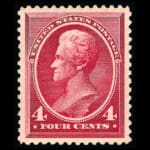
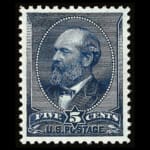
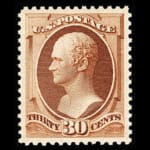
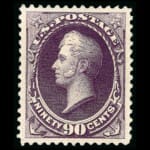
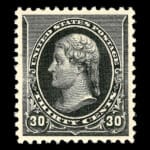
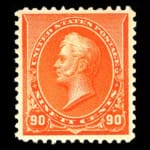
1890-93 | Perf 12
Small Bank Note Issue
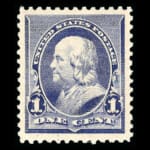

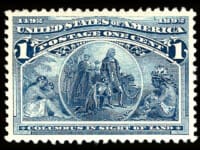
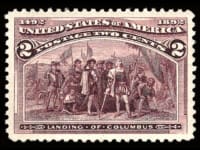
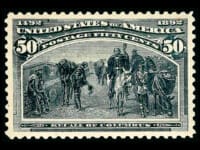
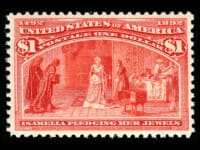
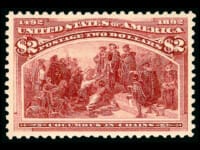
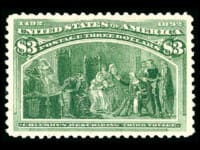
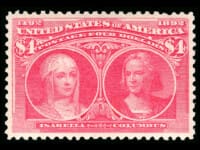
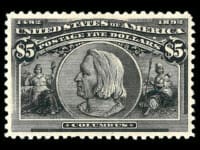
1893 | Perf 12
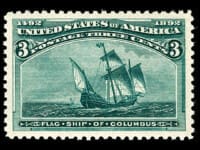
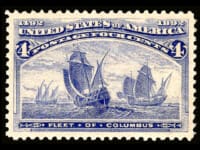
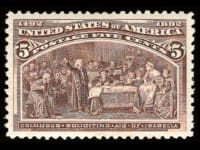
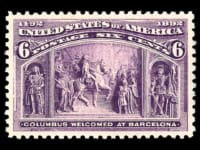
Columbian Exposition Issue
1894 | Perf 12 | Unwatermarked
Same Designs As 1890-93 Issues With Triangles In Top Corners
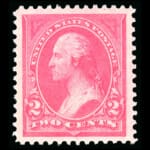
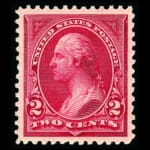
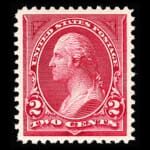
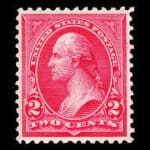
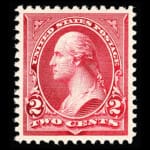
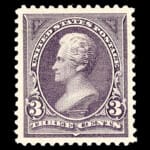
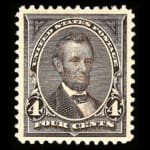
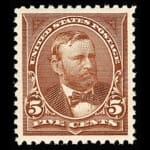
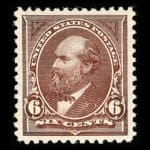
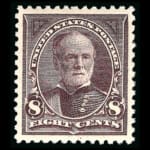
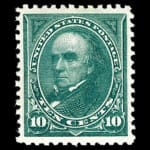
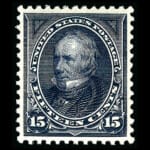
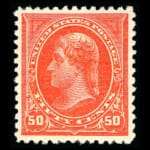
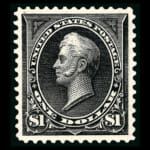
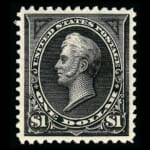

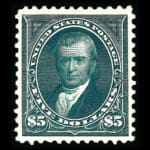
1895 | Perf 12 | Watermark 191 Double Line USPS
Same Designs As 1894 Issues
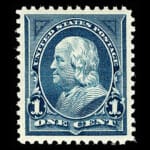
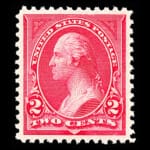
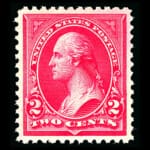
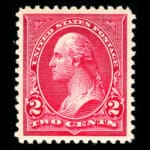
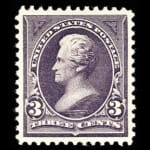
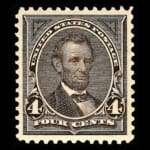
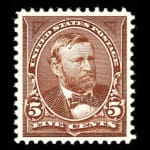
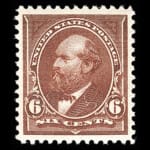
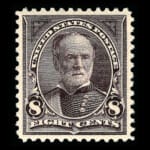
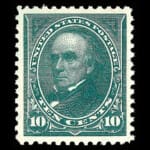
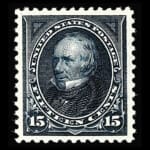

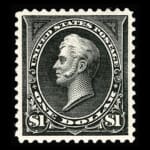
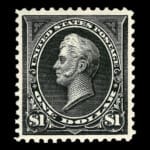
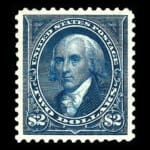
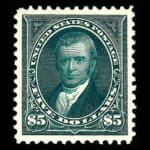
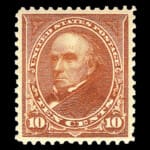
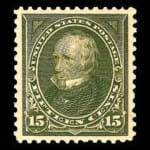
1897-1903 | Perf 12 | Watermark 191 Double Line USPS
Same Designs As 1894 Issues In New Colors
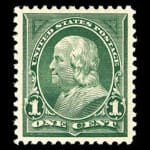

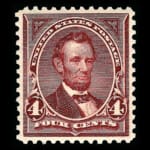
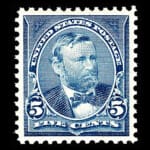
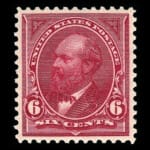
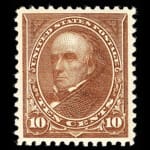
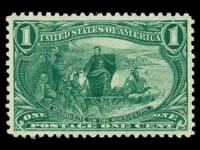
1898 | Perf 12 | Watermark 191 Double Line USPS
Trans-Mississippi Exposition Issue
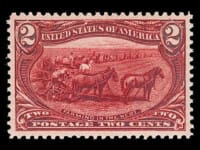
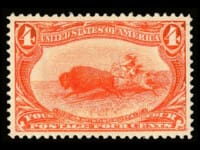
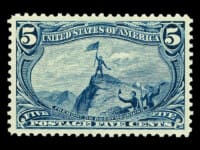
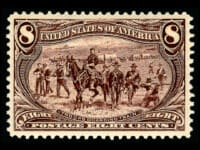
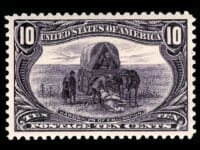
1901 | Perf 12 | Watermark 191 Double Line USPS
Pan-American Exposition Issue
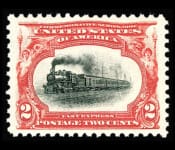
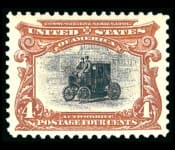
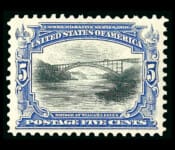
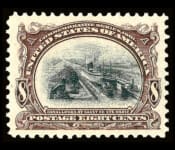
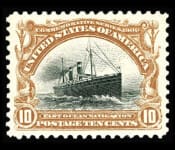
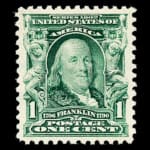
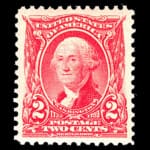
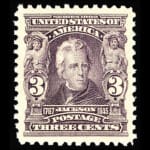
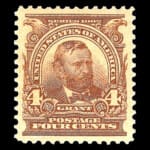
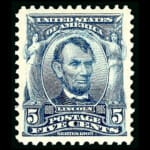
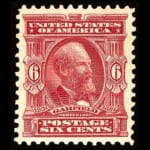
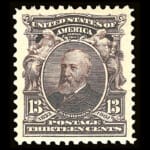
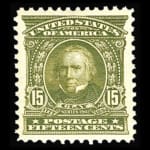
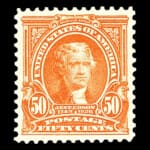
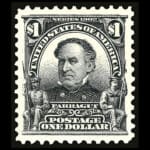
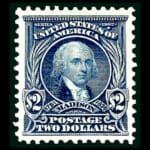
1902-03 | Perf 12 | Watermark 191 Double Line USPS
Regular Issue


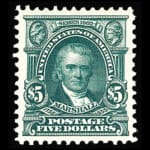
1906-08 | Imperforate | Watermark 191 Double Line USPS
Same Designs As 1902-03 Issue
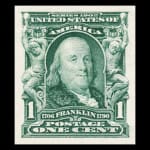

1903-08 | Perf 12 & Imperforate | Watermark 191 Double Line USPS
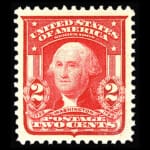
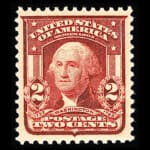
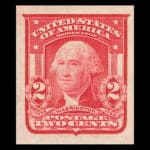
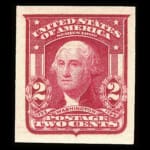
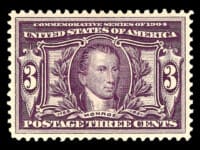
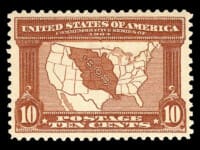
1904 | Perf 12 | Watermark 191 Double Line USPS
Louisiana Purchase Exposition Issue
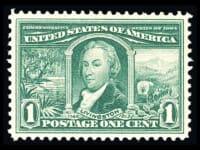
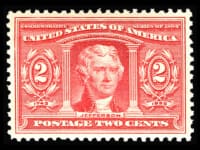

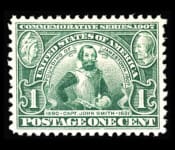
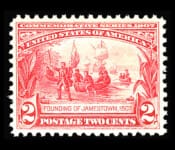
1907 | Perf 12 | Watermark 191 Double Line USPS
Jamestown Exposition Issue
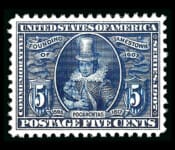
1908-09 | Perf 12 | Watermark 191 Double Line USPS
Regular Issue
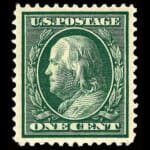
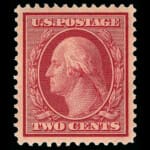

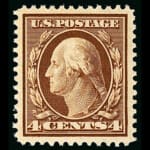
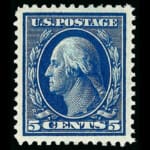
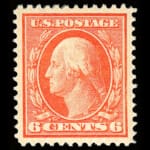
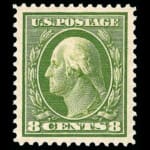
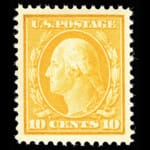
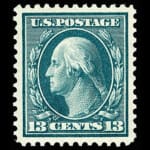
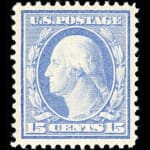
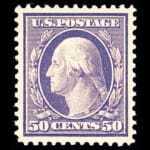
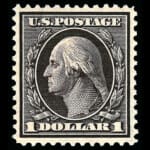
1908-09 | Imperforate | Watermark 191 Double Line USPS
Regular Issue
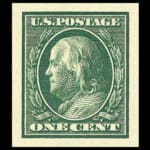
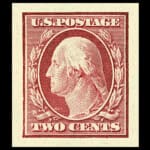
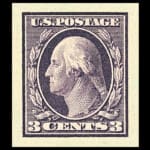
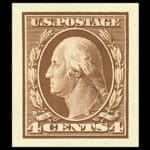
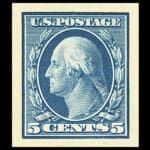
1908-10 | Perf 12 Horizontally / Vertically | Watermark 191 Double Line USPS
Coil Issue
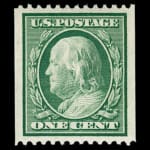
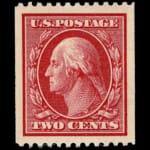
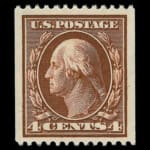
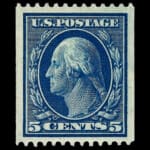
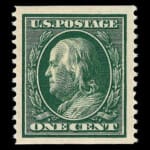
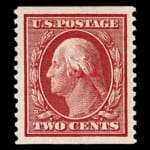

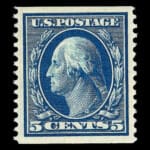
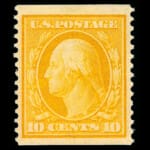
1909 | Perf 12 | Watermark 191 Double Line USPS
Bluish Paper
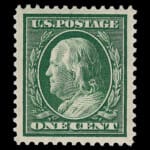
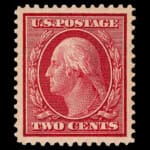
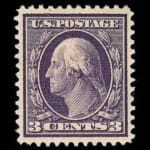
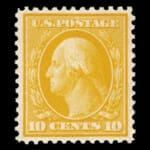
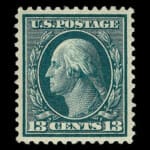
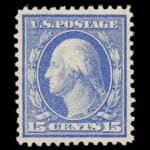
1909 | Perf 12 / Imperforate | Watermark 191 Double Line USPS
Commemoratives
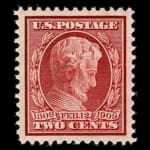
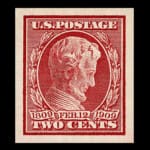
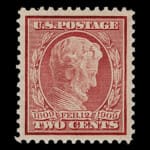
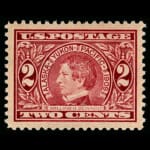
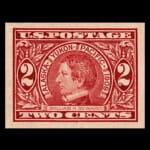
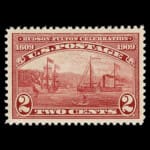
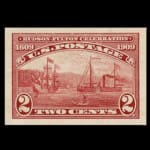
1910-11 | Perf 12 | Watermark 190 Single Line USPS
Regular Issue
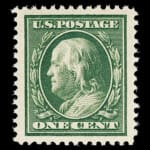
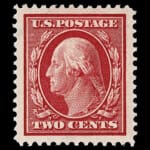



1910 | Imperforate | Watermark 190 Single Line USPS
Regular Issue

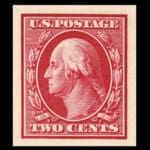
1910 | Perf 12 Horizontally / Vertically | Watermark 190 Single Line USPS
Flat Plate Coil Issue
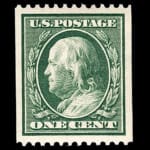

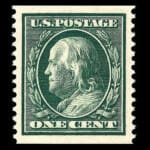
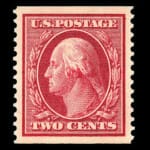
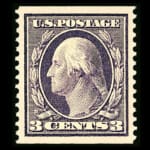
1910 | Perf 8.5 Horizontally / Vertically | Watermark 190 Single Line USPS
Flat Plate Coil Issue
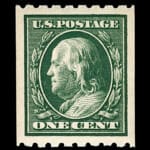
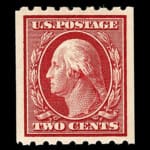
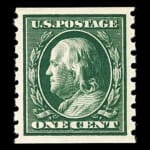
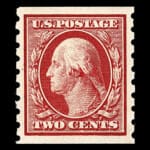
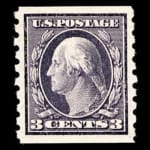


1913 | Perf 12 | Watermark 190 Single Line USPS
Pan-Pacific Exposition Issue
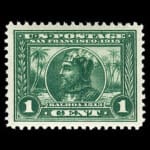
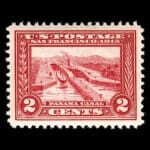
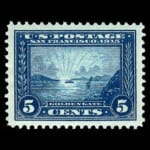
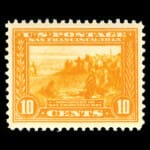
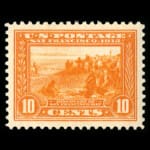
1914-15 | Perf 10 | Watermark 190 Single Line USPS
Pan-Pacific Exposition Issue
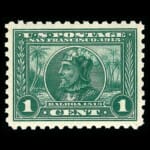

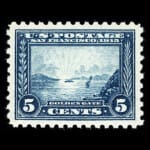
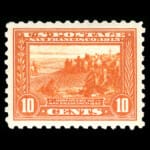
1912-14 | Perf 12 | Watermark 190 Single Line USPS
Regular Issue

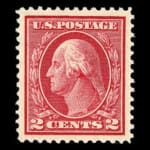
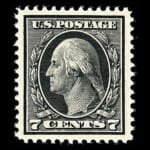
1912 | Imperforate | Watermark 190 Single Line USPS
Regular Issue
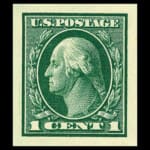
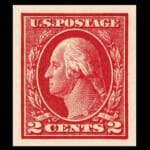
1912 | Perf 8.5 Horizontally / Vertically | Watermark 190 Single Line USPS
Flat Plate Coil Issue
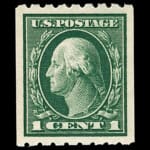
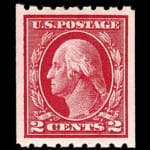
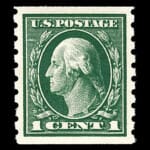
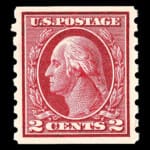
1912-14 | Perf 12 | Watermark 190 Single Line USPS / Watermark 191 Double Line USPS
Regular Issue
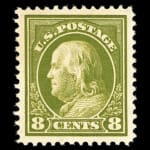
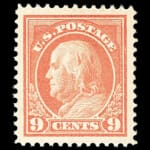
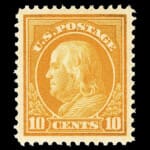
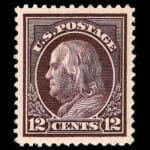
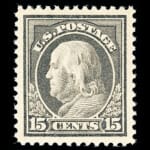
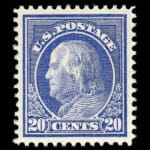
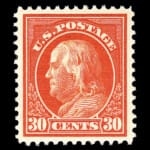
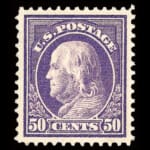
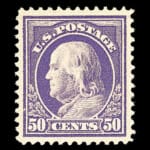
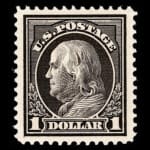
1913-15 | Perf 10 | Watermark 190 Single Line USPS
Regular Issue
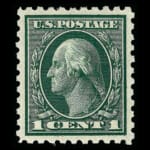
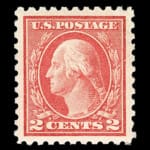
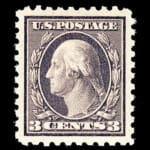
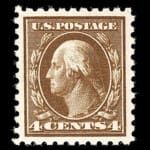

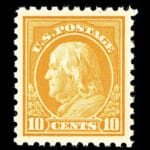
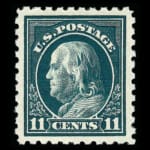
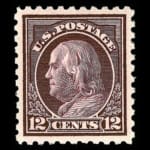
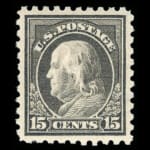

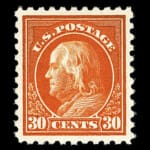
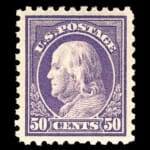
1914 | Perf 10 | Watermark 190 Single Line USPS
Flat Plate Coil Issue
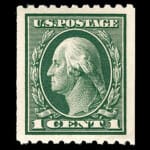
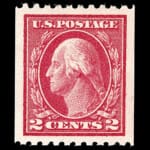
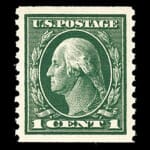
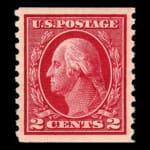
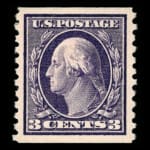
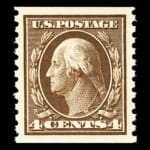
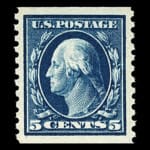
1915 | Perf 10 | Watermark 190 Single Line USPS
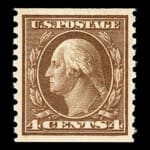
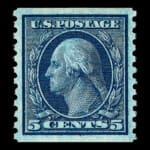
Rotary Press Coil Issue

What A Listed Scott Value Represents
A figure printed beside a Scott number is a retail guide, not a selling price. The American Philatelic Society describes Scott prices as retail prices and as a guideline only, and notes that the actual price paid for a stamp may be higher or lower than the catalog value depending on dealer service, local demand and the state of the market. A catalog value is therefore a reference point for ranking one stamp against another stamp, and a catalog value is not a quotation binding on a buyer or on a seller.
Two consequences follow for any collector who buys or sells stamps at market prices. Common material usually changes hands below catalog value, frequently far below, because supply is wide and because a retail figure has to cover the cost of stocking, describing and shipping a low-value stamp. Scarce material in strong condition can change hands above catalog value, because a printed figure compiled months earlier lags the auction records that set the current level. A gap between a catalog value and a realized price is not an error in the catalog. A gap of that kind is the predictable distance between a published annual reference and a transaction completed today, which is the reason the stamp values published on this site are compiled from recorded sales rather than copied from a catalog.
The Grade And Condition A Listed Value Assumes
The catalog value of a stamp is based on the assumption that the stamp is in very fine condition. Scott values material in very fine condition except where a note states otherwise, with certain United States issues priced in additional grades. Very fine centering is described as having the design of the stamp slightly off center but with clear margins on all four sides of the stamp. Grades below very fine, labeled fine and very good, are described as having the design of the stamp noticeably off center with one or more of the margins close to the design or even cutting into the design. Grades above very fine, labeled extremely fine and superb, are described as having progressively more even margins with superb having the design of the stamp balanced between four large margins.
Centering is but one of the many factors in determining the condition of a stamp. Original gum or lack of it, hinge marks, cancellation strength of used stamps, thins, creases, tears, short perforations, repairs and re-perforations are all factors that move a stamp away from the condition its catalog value assumes. The amount of reduction for a fault cannot be read from a table because the amount of reduction is dependent on the fault and on the stamp. For example, a heavy cancellation on a very common issue of the 1890s will reduce its value by only a small amount, whereas the same heavy cancellation on a scarce issue of the same decade will reduce its value by a very large amount.
A listing with a large premium over the base listing is often expected to come with a certificate of authenticity from a recognized expertizing body. As the value of a single stamp increases, the importance of stamp certification increases as well. A premium for a variety or high grade is expected to be documented, such as for a perforation gauge, a grill, a watermark, a shade, or a reperforated margin. In recent editions of catalogs, listings with large premiums over the base listing are assumed to come with certificates of authenticity from recognized expertizing bodies, as third-party authentication has become normal practice in the United States market.
How The Catalog Handles Varieties, Perforations, Watermarks, Paper And Shade
Scott assigns a separate number when a production difference is treated as a separate stamp, and assigns a lowercase letter when the same kind of difference is treated as a minor variety of an existing listing. That decision is a catalog convention rather than a fact about the stamp, which is why catalogs published in different countries attach different importance to variations in paper, perforation and watermark, and why the same stamp ends up with different numbers in different catalogs.
Perforation is the clearest example of that convention in United States listings. The imperforate issues of 1851 occupy Scott 5 through 17, and the same designs issued perforated 15 and a half between 1857 and 1861 occupy Scott 18 through 39. Later regular issues repeat the pattern, with a perforation 12 printing and a perforation 10 printing of one design sitting in different listings at different values. Perforation gauge consequently has to be measured with a gauge rather than estimated by eye, since half a gauge separates listings whose values are not comparable.
Watermark differences operate in the same way as perforation differences. The 1894 issues printed on unwatermarked paper occupy Scott 246 through 263, and the same designs printed from 1895 on paper carrying the double-line USPS watermark occupy Scott 264 through 278. The double-line USPS watermark entered use in 1895 on the first Bureau issues and was later replaced by a single-line USPS watermark, and the directory above records which watermark belongs to each range of numbers. Because a watermark is invisible in ordinary light, a collector working through these ranges needs a tray and watermark fluid, and the procedure for reading stamp watermarks is worth learning before any value is assigned to a Bureau-era stamp.
The paper, shade and surface treatment are the main differences between the catalog entries. The hard and soft porous paper used for the reprints and re-issues of the 1870s differ from the original printings. The bluish paper used for a short period of time in 1909 creates a separate run of listings for designs otherwise identical to the ordinary printings. The embossed grills used between 1867 and 1868 are listed as several lettered grill listings for one group of designs. Shade differences are listed as lowercase varieties where a shade is recognized and consistent, and shade is the distinction most often misjudged by a collector working from a screen image rather than from the stamp. Modern issues add further distinctions of the same type, including phosphor tagging, paper and production method, plate number coils and booklet configuration, all of which separate collectible variations among stamps that look alike at arm’s length.
Volume Structure, And What The United States Specialized Catalogue Adds
The Scott Standard Postage Stamp Catalogue contains the stamp issues of the world in 12 country volumes. These are published as 6 numbered volumes, each divided into an A part and a B part. Volume 1A begins with the United States and the United Nations, and continues with countries in alphabetical order from A to Australia. Volume 6B contains Thailand and subsequent countries up to Z. Two further volumes are published to complete the Scott reference beyond the 12 country volumes. These are the Scott United States Specialized Catalogue, for US stamps only, and the Classic Specialized Catalogue, for the stamps and covers of all countries issued from 1840 to 1940, with British Commonwealth countries extended to 1952. As of 2021, the complete Scott reference ran to 14 volumes.
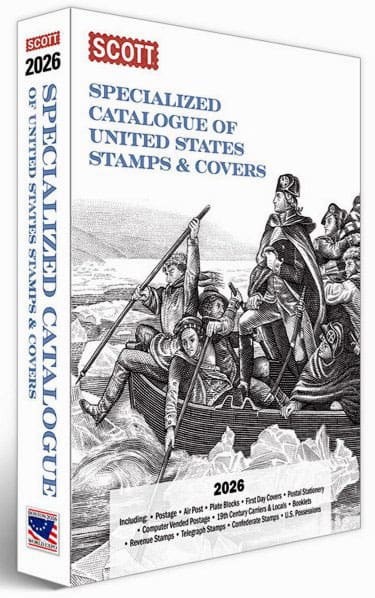
For an American collector, the United States Specialized Catalogue is the workhorse of the collection. The United States Specialized Catalogue has far more detail than the United States section of Volume 1A of the catalogues, particularly for the many varieties and errors of United States stamps. The single volume of the United States Specialized Catalogue is considered by many collectors to be the ultimate reference work on the stamps of the United States. In addition to regular postage, the volume covers postal stationery, revenue stamps, hunting permit stamps, booklets, carriers and locals, test stamps, the issues of the Confederate States and the stamps of the United States possessions and territories. The premium listings, errors and details of grills and watermarks that make up the value of the most valuable US stamps are listed only in the United States Specialized Catalogue and not in the general catalogues.
Annual Revisions, And What To Do With An Older Edition
The Scott catalogs are updated annually. The year of the catalog is usually the year after the year the catalog was compiled. Thus the 2026 Scott Specialized Catalogue of United States Stamps & Covers reached collectors during 2025. Between annual editions, the United States Specialized Catalogue is supported by valuing supplements issued in spring and in fall. The values in the catalog are updated annually for both classic and modern issues. In addition, new varieties are listed, descriptions of issues with multiple printings are updated, and many cross-references are added to help collectors identify regular issues, coils, booklets, etc. as well as related varieties.
An older edition of a stamp catalog is almost as useful as a current one. The Scott numbers for established issues are generally stable over time. Thus an older catalog can still be used to identify a stamp, to give the correct perforation, watermark, paper and grill for a stamp in a listing and to give the relative value of one listing against another. The value of a stamp in an older catalog, however, is likely to be stale, and the staleness will be uneven, with the values of common material drifting slowly over time and the values of scarce material in high grade changing rapidly in a single year. An older catalog, therefore, can be used for identification, and the value of a stamp can then be checked separately against sales of the same stamp in comparable condition.
Scott Numbers And The Other Standard Catalogs
The four major catalogs of general international use are Scott, Stanley Gibbons, Michel and Yvert et Tellier. Stanley Gibbons has published catalogs in Britain since 1865 and describes its catalog as a retail price list. All stamps are priced for a specific condition and the numbering used is that from the Stamps of the World series. Michel is published in Germany by Schwaneberger Verlag in German in about 12 main volumes as well as special volumes. In addition to printing quantities for European stamps Michel also lists some material not covered by Scott such as issues from countries under embargo. Yvert et Tellier was established as a publisher in Amiens in 1895 and its catalogs cover France, Andorra, Monaco and the former French colonies as well as the rest of the world.
The four catalogs use different numbering systems for the same stamp, because each catalog arranges regular and special-purpose issues in its own order. They also place different value on variations such as paper, perforation, watermark, etc. This means that a catalog number given on its own without the catalog name is not an identification for that stamp. For example, 264 could be for a number of different stamps in the four different catalogs, whereas Scott 264 is for only one stamp in the Scott catalog. Any listing, inventory, insurance schedule or sale description should name the catalog beside the number, and any buyer given only a number should ask for the catalog name.
Using The Catalog To Identify A Stamp In Hand
Identification with the catalog is done through a process of elimination that narrows a page of similar listings down to a single number. The sequence of listings follows the order of the listings in the Scott catalog, and the quick-jump directory above covers the US ranges of listings where most of this work happens.
- Country and period. The inscription names the country, and the design style and denomination narrow the period to a group of issues.
- Category prefix. A stamp inscribed for a special service, a revenue purpose or a hunting permit belongs in a lettered run rather than in the numbered postage sequence.
- Design, denomination and color. The catalog groups one design across several denominations and colors, and the combination of design, denomination and color usually reduces the candidates to a handful.
- Perforation. An imperforate stamp, a perforation 12 stamp and a perforation 10 stamp of one design are separate listings, so the perforation gauge has to be measured.
- Watermark. A tray and watermark fluid separate an unwatermarked printing from a double-line printing and from a single-line printing of the same design.
- Paper, gum and surface. Hard paper, soft porous paper, bluish paper, crackly gum, an embossed grill and phosphor tagging each appear as a stated characteristic in the listing.
- Condition. Once the number is settled, centering, gum, cancel and faults decide which value in the listing applies and how far the real stamp sits from that value.
By going through the characteristics in the order given above, one gets a single Scott number with a condition attached to it, in the form that is used by all other references in the hobby. For example, a stamp described as Scott 11, perforation measured, watermark checked, fine centering, light cancel, no faults can be valued, insured, listed for sale, traded or submitted for certification without any further description. A stamp described only as an old blue three-cent Washington cannot. For those collectors who are trying to build a wider base of knowledge in addition to their catalog work, the broader stamp collecting guide would be a useful companion to this directory.
Where Stamp Collectors Fits
This website is a free resource for collectors searching for values of individual stamps. If you have inherited a stamp collection and would like to get an appraisal before selling anything, please use our stamp collection appraisals instead of the catalog value listed in the album. Catalog values on inherited albums are almost always far above what the material brings. If you would like to discuss a listing with other collectors before selling, please feel free to use our collectors community.
When you are ready to sell your own duplicates, our marketplace is built to be the cheapest honest option available: a free Starter plan with 300 listings and a 9.59% seller fee, a $9.95 per month Collector plan with unlimited listings at 6.59%, and a $29.95 per month Dealer plan at 5.59%. Buyers pay no transaction fee on any plan, every plan includes two-way eBay sync, payment runs PayPal-direct from buyer to seller, and you can cancel any time.
Bookmark this page, use the ranges above to find a number, and send us anything the catalog cannot settle. We would rather answer a hard identification question than watch another collector guess at a value.